Hair thinning often develops gradually, making it difficult to know when simple care is enough and when medical treatment should be considered. Many people explore PRP therapy after noticing increased shedding, reduced hair density, or slower regrowth, but understanding whether the treatment is appropriate depends on more than availability alone. Factors such as hair loss pattern, follicle activity, and overall scalp health play an important role in determining whether PRP is likely to help.
If you are exploring PRP hair treatment in Alwarpet, this guide explains how the treatment works, when it is typically recommended, how clinics differ in planning and delivery, and what you should assess before choosing where to undergo care.
Quick Glance
- PRP hair treatment is available in Alwarpet at clinics such as Velantis Dermatology, Oliva Skin & Hair Clinic, Helios Advanced Skin Hair & Laser Clinic, Kaya Clinic, and Klara Skin & Hair Clinic.
- PRP works best when follicles are still active, making dermatologist-led diagnosis essential before starting treatment.
- Suitability depends on the cause and stage of hair thinning, not just availability of the procedure.
- Results develop gradually over multiple sessions, with visible improvement typically assessed over several months.
- Clinic choice should prioritise medical evaluation, sterile procedure standards, realistic counselling, and structured follow-up, rather than price or promotional claims alone.
What Is PRP Hair Treatment and When Does It Make Sense
Platelet-Rich Plasma (PRP) hair treatment is a medical procedure that uses concentrated platelets derived from your own blood to support hair follicles that are still present but functioning weakly. Platelets contain growth factors involved in tissue repair and cellular activity, and when injected into the scalp, they help create a more supportive environment for existing follicles to function more consistently.
PRP is not designed to create new hair follicles or restore areas where follicles have been inactive for a long time. Instead, it is typically considered when hair thinning is recent or progressive, and follicles are still capable of responding to biological stimulation.
When PRP Hair Treatment May or May Not Be Recommended for You
Understanding this limitation is important before deciding whether PRP fits your situation.
Note: As suitability varies between individuals, PRP treatment is typically planned only after clinical evaluation rather than selected as a default option. Understanding these decision points can help you assess whether PRP is worth considering before comparing clinics offering PRP hair treatment in Alwarpet.
Once you know whether PRP suits your hair loss stage, the next step is comparing clinics in Alwarpet based on how they assess suitability, plan sessions, and monitor results over time.
5 Common Causes of Hair Loss and When PRP Is Most Effective
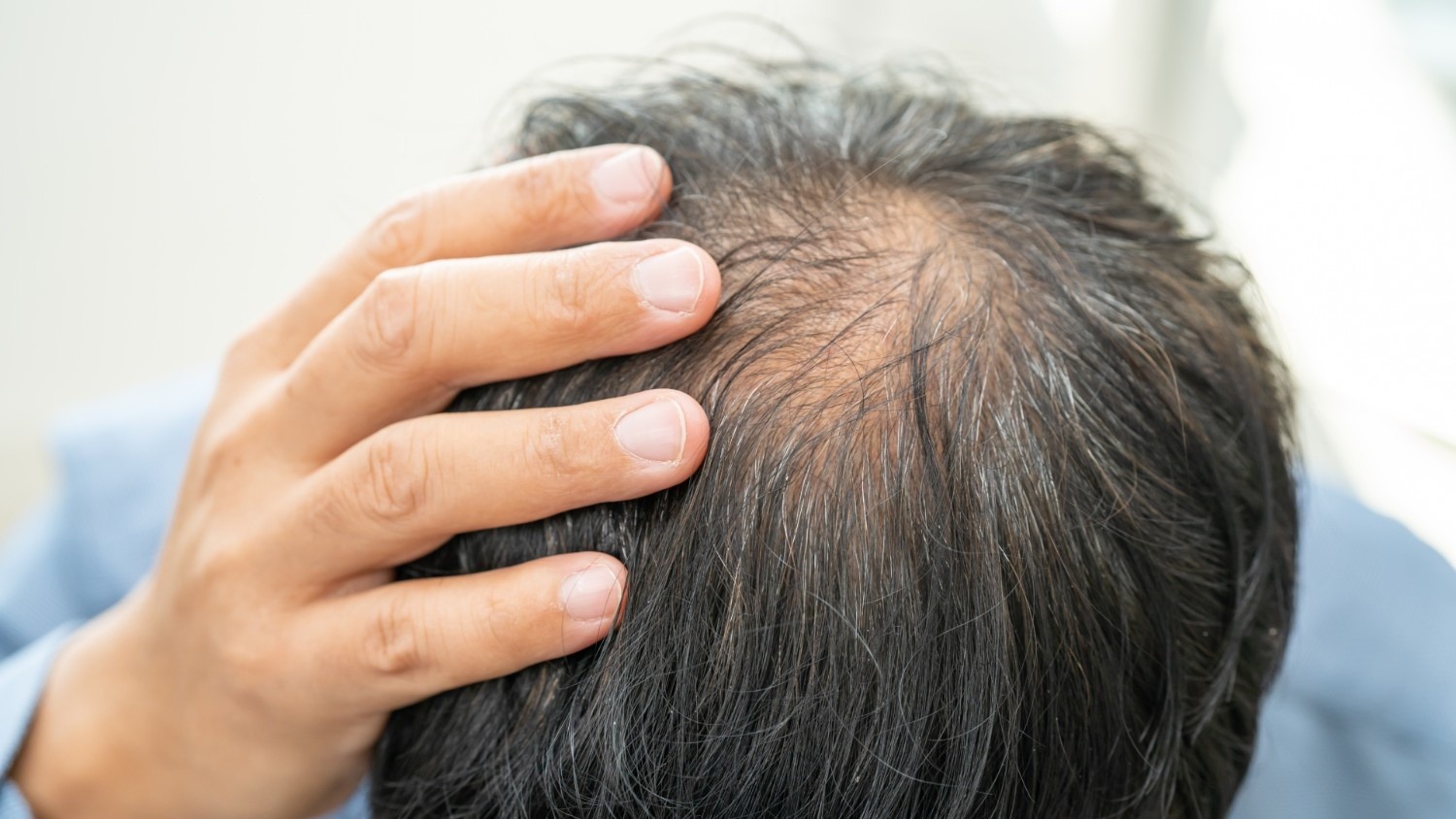
Hair loss can arise from different biological and lifestyle factors, and PRP treatment works best when the underlying cause still allows hair follicles to remain active. Understanding the cause helps clarify whether PRP may be useful on its own or should be combined with other medical therapies.
1. Pattern-Related Hair Thinning (Androgenetic Hair Loss)
This is one of the most common causes of gradual thinning in both men and women. PRP is often considered in early to moderate stages, where follicles are still present but producing thinner strands. In advanced stages with long-standing follicle inactivity, results may be limited.
2. Stress-Related Shedding (Telogen Effluvium)
Sudden shedding triggered by illness, stress, or nutritional imbalance typically improves once the underlying trigger is corrected. PRP may be considered when shedding persists after the primary cause has been addressed and follicles remain active.
3. Hormonal Changes
Hair thinning related to hormonal fluctuations, such as thyroid imbalance or post-pregnancy changes, usually requires correction of the hormonal trigger first. PRP may play a supportive role after stability is achieved.
4. Inflammatory Scalp Conditions
Conditions such as chronic dandruff or scalp inflammation can weaken follicles over time. Treating the scalp condition is the first priority, after which PRP may be considered to support follicle recovery if thinning persists.
5. Age-Related Reduction in Hair Density
Gradual reduction in hair density with age may respond to PRP when follicles are still functional, although expectations should remain gradual and maintenance-based rather than immediate.
Understanding how different causes influence treatment response helps you approach PRP hair treatment in Alwarpet with clearer expectations before comparing clinics and planning therapy.
Understanding the cause of hair loss helps clarify whether PRP is a reasonable option or whether other medical treatments should be considered first. When PRP is considered appropriate, the next step is knowing where the treatment is offered and how different clinics approach evaluation, planning, and follow-up care.
Are you considering hair restoration treatments? Book a consultation for PRP hair therapy at Velantis Dermatology, where treatment is guided by clinical assessment and evidence-based care led by Dr. Janani, an MD in Dermatology.
Also Read: Understanding the Difference Between Hair Fall and Hair Loss.
Top 5 PRP Clinics for Hair Loss Treatment in Alwarpet, Chennai
The clinics below are commonly considered for PRP hair treatment near Alwarpet, starting with a dermatologist-led approach.
1. Velantis Dermatology
Velantis Dermatology, led by Dr. Janani Sree C M (MD Dermatologist), approaches PRP therapy as a medically supervised procedure rather than a cosmetic service. Each treatment plan is designed after a detailed clinical consultation and scalp assessment, allowing therapy to be tailored to the patient's hair loss pattern, follicle activity, and treatment goals.
What makes Velantis stand out:
- Dermatologist-led diagnosis and treatment planning.
- Evidence-based protocols instead of fixed treatment packages.
- Focus on patient education and realistic expectation setting.
- PRP is positioned within a structured medical hair loss management plan.
Treatment is done:
- After assessing hair loss pattern, scalp condition, and medical history
- Using sterile, medically supervised techniques
- As a planned series of sessions with follow-up monitoring
Best suited for:
- Individuals with early to moderate hair thinning.
- Patients seeking a diagnosis-first, dermatologist-supervised approach.
- Those who prefer structured follow-up and medically guided care.
2. Oliva Skin & Hair Clinic
sourcelink
Oliva Clinic offers PRP therapy as part of its broader hair fall management programmes. Treatment is typically delivered through standardised consultation workflows, where suitability is determined before therapy is scheduled across multiple sessions.
What they offer:
- PRP therapy is integrated into structured hair fall treatment programmes.
- Dermatology consultations prior to treatment recommendation.
Strengths:
- Standardised service protocols across clinic locations.
- Dedicated hair treatment services within a dermatology practice.
PRP positioning: Presented as a supportive therapy for improving hair strength and density as part of non-surgical hair restoration care.
Best suited for: Individuals looking for structured clinic-based PRP treatment within established dermatology workflows.
3. Helios Advanced Skin Hair & Laser Clinic
sourcelink
Helios Advanced Skin Hair & Laser Clinic provides dermatology and hair restoration services that include PRP therapy after clinical evaluation and suitability assessment.
What they offer:
- PRP therapy for hair thinning within dermatology-guided treatment plans.
- Consultation-based assessment of hair loss pattern and scalp condition.
Strengths:
- Dermatologist-led care model.
- Emphasis on personalised treatment planning.
PRP positioning: Positioned as a supportive injectable therapy aimed at improving follicle activity when clinically appropriate.
Best suited for: Patients seeking dermatologist-supervised PRP therapy with consultation-driven planning.
4. Kaya Clinic

sourcelink
Kaya Clinic offers hair and scalp treatments, including PRP therapy, within its dermatology services. Treatment recommendations are typically made after consultation to determine suitability and treatment goals.
What they offer:
- PRP therapy is integrated into hair fall management programmes.
- Dermatology consultation prior to treatment.
Strengths:
- Established dermatology brand with standardised service delivery.
- Dedicated hair and scalp treatment protocols.
PRP positioning: Described as a non-surgical supportive therapy aimed at improving hair density and strengthening existing follicles.
Best suited for: Individuals seeking clinic-based PRP therapy within established dermatology service frameworks.
5. Klara Skin & Hair Clinic
sourcelink
Klara Skin & Hair Clinic provides dermatologist-led skin and hair treatments, including injectable therapies such as PRP when clinically indicated.
What they offer:
- Consultation-driven hair loss assessment.
- Injectable and medical hair treatment options based on diagnosis.
Strengths:
- Dermatology-focused consultation approach.
- Emphasis on suitability-based treatment planning.
PRP positioning: Positioned as a supportive treatment option for hair thinning when follicles remain active.
Best suited for: Patients seeking a dermatologist consultation before deciding on PRP treatment.
With an understanding of clinics offering PRP hair treatment in Alwarpet, the next step is to explore what happens during a PRP session and how treatment timelines are typically planned, helping you assess whether the procedure aligns with your expectations.
Also Read: Dermatologist Treatments for Hair Loss and Diagnosis.
6 Key Steps in a PRP Hair Treatment Session
Knowing what takes place during a PRP session can help you approach the treatment with clearer expectations. While small variations may exist between clinics, PRP hair treatment generally follows a structured medical process designed to maintain safety and consistency.
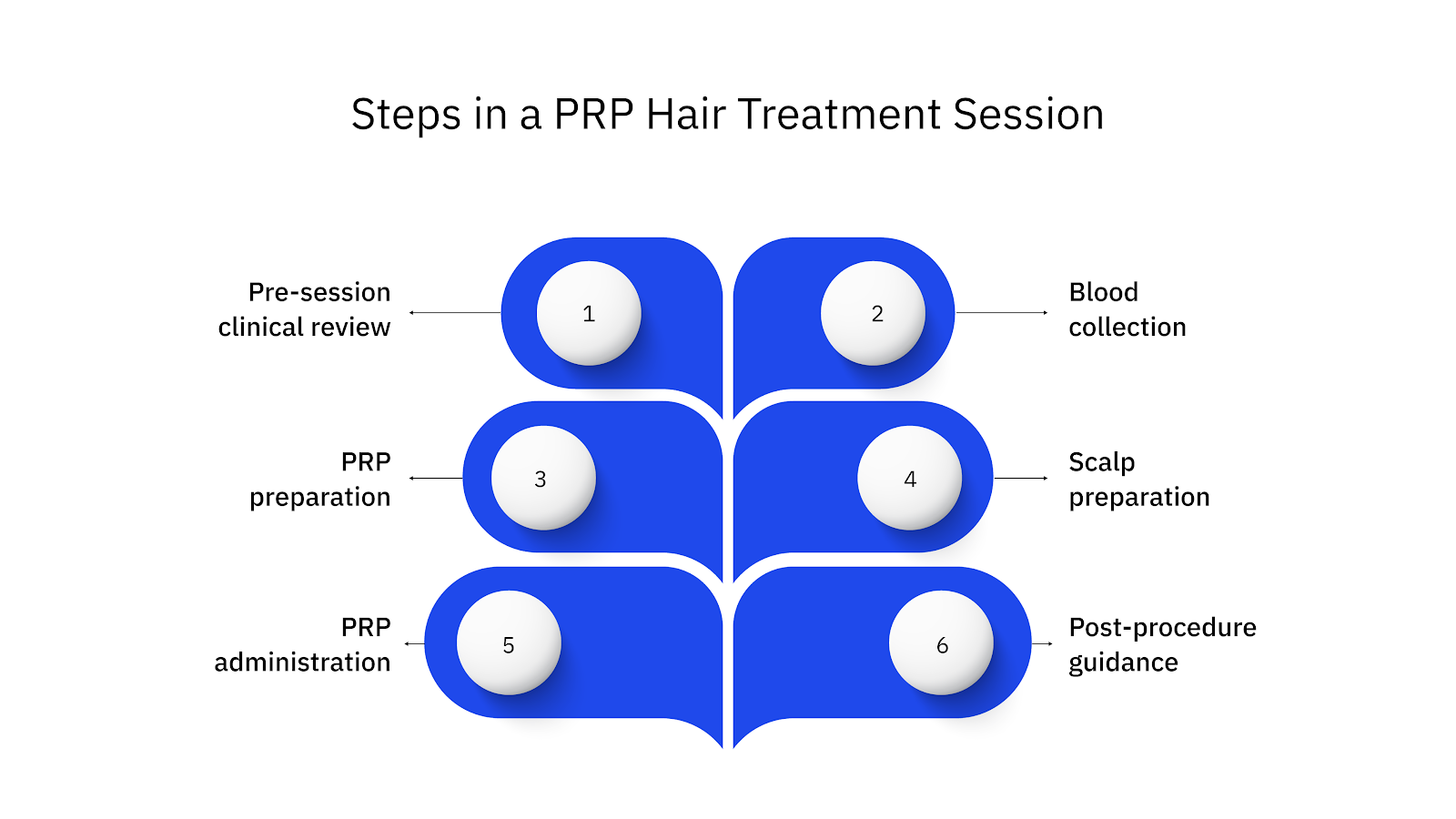
A typical session usually includes the following 6 steps:
1. Pre-session clinical review: The visit begins with a short review of your scalp condition and treatment plan. This helps reconfirm the areas to be treated and checks for any recent changes that may affect the procedure.
2. Blood collection: A small sample of your blood is collected, much like a standard lab test, and used exclusively to prepare the PRP for the procedure.
3. PRP preparation: The collected blood is processed using specialised equipment to separate and concentrate the platelet-rich plasma, which contains the growth factors used in the treatment.
4. Scalp preparation: The treatment area is cleansed, and injection points are mapped according to areas of thinning. Measures may be used to minimise discomfort during the injections.
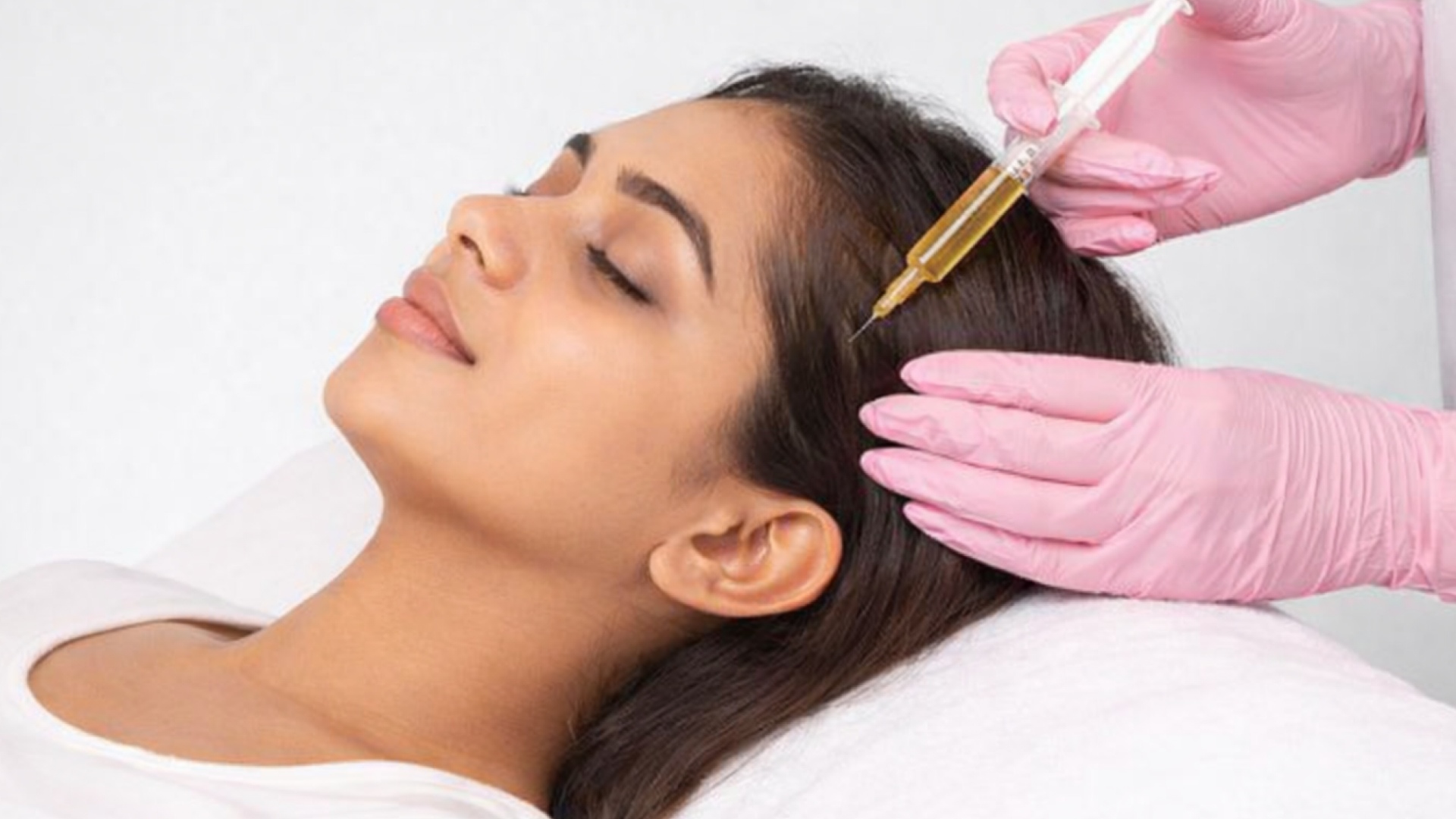
5. PRP administration: The prepared plasma is injected into selected scalp areas at controlled depths so that the growth factors reach follicles that are still biologically active.
6. Post-procedure guidance: After the session, you receive aftercare instructions, including guidance on hair washing, activity levels, and expected short-term reactions.
A PRP session typically takes less than an hour, and most individuals resume routine activities the same day. Mild tenderness or temporary redness at injection sites may occur, but usually settles quickly. Understanding the session process helps you evaluate treatment options more confidently before deciding where to undergo PRP hair treatment in Alwarpet.
How to Choose the Right Clinic for PRP Treatment In Alwarpet
Selecting where to undergo PRP therapy is as important as the procedure itself. Clinics can differ in how they evaluate hair loss, perform the injections, and monitor results afterward. Instead of choosing based only on convenience or price, it is useful to understand how each clinic approaches PRP as a medically guided treatment.
When comparing clinics or doctors for PRP therapy, consider the following factors:
- Dermatologist-led assessment: Confirm that a qualified dermatologist examines your scalp and reviews your hair loss pattern before suggesting PRP, rather than offering it as a routine service.
- Clear explanation of diagnosis: A meaningful consultation should outline the likely cause of hair thinning and explain why PRP is being recommended. Clinics that avoid this discussion may not be prioritising medical evaluation.
- Individualised treatment planning: PRP tends to work best when the number and spacing of sessions are tailored to your stage of hair thinning. Fixed packages that ignore individual differences may not provide optimal care.
- Realistic discussion of expectations: Responsible clinics discuss situations where PRP may provide limited benefit and explain that results develop gradually rather than promising rapid outcomes.
- Procedure standards and hygiene: Ask how the plasma is prepared, how injections are administered, and whether consistent sterile protocols are followed during every session.
- Follow-up and monitoring: Regular follow-up visits allow the clinic to assess progress and adjust treatment when needed, reflecting a longer-term approach to hair loss care.
Assessing these aspects can help you choose a clinic based on medical judgement and transparency rather than promotional claims. PRP treatment is more meaningful when it is planned after proper assessment and integrated into a broader strategy for managing hair loss.
Conclusion
PRP hair treatment can be a useful option for managing hair thinning when it is selected at the right stage and planned with proper clinical evaluation. Its effectiveness depends less on a single session and more on identifying the underlying cause of hair loss, confirming follicle activity, and following a structured treatment schedule over time.
Understanding how PRP fits within a broader medical hair loss strategy helps you approach the procedure with realistic expectations rather than short-term assumptions.
If you would like to understand whether PRP is suitable for your hair loss pattern, you may consider booking a consultation at Velantis Dermatology to discuss your concerns with Dr. Janani Sree C M and receive guidance based on clinical assessments rather than assumptions.
FAQs
1. How many PRP sessions are usually required for hair loss treatment?
Most people receive multiple sessions scheduled a few weeks apart, with the total number depending on the stage of hair thinning and how follicles respond to treatment. Many treatment plans begin with multiple initial sessions followed by maintenance visits when required.
2. How long does it take to notice results after PRP hair treatment?
Reduction in excessive shedding is often observed earlier, while visible improvement in hair density and thickness typically develops gradually over several months as follicles respond to repeated stimulation.
3. What is the approximate cost of PRP hair treatment in Chennai?
Costs vary depending on the clinic, expertise involved, and the number of sessions recommended, but PRP treatment in Chennai commonly ranges from roughly ₹4,500 to ₹14,000 per session.
4. Can PRP hair treatment be combined with other hair loss therapies?
Yes. PRP is often planned alongside medical treatments or supportive therapies when clinically appropriate, especially when the goal is to slow progression while improving hair quality over time.
5. Is PRP suitable for completely bald areas?
PRP generally works best in areas where hair follicles are still present but weakened. In long-standing bald regions where follicle activity is minimal, other treatment approaches may be discussed instead.

.png)
.jpg)
.jpg)