Hair loss often begins gradually. You may notice extra strands while washing your hair or slight thinning near the parting, but it doesn't always feel urgent at first. Many people wait, hoping it will settle on its own or improve with over-the-counter products.
In reality, hair loss is rarely random. In India, hair loss is most often linked to a mix of genetics, stress, and hormonal changes. Studies as per AIIM's dermatologist reported in Economic Times, show that while genetics account for nearly 70% of baldness cases, stress and lifestyle factors (poor diet, lack of sleep, high cortisol) accelerate shedding, and hormonal disruptions like thyroid imbalance or PCOS can trigger sudden, diffuse loss.
Hair loss also tends to follow a pattern over time. Conditions such as androgenetic alopecia are known to be progressive, meaning early changes may become more noticeable if left unaddressed.
If you are considering the best hair loss treatment in East Tambaram, Chennai, the first step is not choosing a clinic; it's understanding what your hair actually needs. Treatment works best when it is planned around the cause, your scalp condition, and how your hair is currently responding.
Key Takeaways
- East Tambaram and nearby areas offer multiple clinics for hair loss treatment, including Velantis, Dermea Clinic, Aura Skin & Hair Clinic, Oliva Clinic, and Aesthetiq Clinic.
- Treatment should be based on diagnosis, pattern, and scalp condition, not just visible hair fall.
- Medical care focuses on slowing loss and supporting existing follicles over time.
- PRP, GFC, and laser treatments are used only when suitable.
- Choose clinics that offer dermatologist-led diagnosis and follow-up, not fixed packages.
What Medical Hair Loss Treatment Means and Why Diagnosis Matters
Medical hair loss treatment begins with understanding why your hair is thinning, before deciding what should be done next. Instead of trying to control hair fall on the surface, this approach looks deeper into factors like your hair loss pattern, scalp condition, hormonal influences, and how active your hair follicles are.
When your hair is properly evaluated, the focus is not on quick or overnight regrowth. The aim is to slow down further loss, support existing follicles, and improve the overall quality of your hair where growth is still possible. Treatment is planned only after identifying whether your condition is temporary, pattern-based, or linked to a specific scalp or health concern.
If you skip diagnosis, treatment often turns into trial and error. But when your condition is clearly understood, the plan becomes more precise, realistic, and safer for long-term results.
How Your Hair Loss Treatment Is Aligned With Your Condition
Once your hair loss pattern is clearly identified, the treatment plan becomes more focused. You are not placed into a standard package or trend-based solution. Instead, the approach is shaped around how your scalp and hair follicles are functioning right now.
Here's how treatment decisions are usually made:
- Stage and pattern of hair loss: Early thinning is handled differently from long-term or advanced loss. The goal is to support follicles that are still active and capable of responding.
- Underlying cause: Whether your hair loss is linked to hormones, nutrition, inflammation, or genetics determines which treatments are appropriate and which may not be effective.
- Current scalp health: Issues like dandruff, irritation, or infections are addressed first, before considering procedures like PRP or other advanced options.
- Progress over time: Your response to treatment is monitored, and adjustments are made instead of following a fixed plan from the start.
- Comfort and expectations: You should be informed about downtime, maintenance, and realistic outcomes before beginning any treatment.
This kind of structured approach helps you avoid unnecessary procedures and ensures that treatment is directed where it is most likely to make a difference.
Note: In some cases, hair loss may coexist with scalp or skin concerns such as pigmentation or acne-related issues. Addressing overall skin and scalp health, through treatments like targeted pigmentation correction or advanced laser procedures, may be considered where relevant, but only when it supports your primary hair goals.
If you are considering medical hair loss treatment, a consultation with an MD dermatologist, such as Dr. Janani Sree C M, can help you understand whether this approach suits your hair loss pattern and stage.
Once you understand how hair loss should be diagnosed and treated, the next step is choosing a clinic that actually follows that process. Not every clinic approaches hair loss the same way. Some focus on quick solutions, while others build treatment gradually based on how your scalp responds.
Also Read: 10 Best Dermatologists in Tambaram East, Chennai for Acne, Hair Loss & Pigmentation
5 Hair Loss Treatment Clinics Near East Tambaram, Chennai
As you compare clinics near East Tambaram, what matters is not just availability, but whether the approach aligns with your condition, stage of hair loss, and expectations.
Here are five clinics you can consider, along with what you should realistically expect from each:
1. Velantis Dermatology
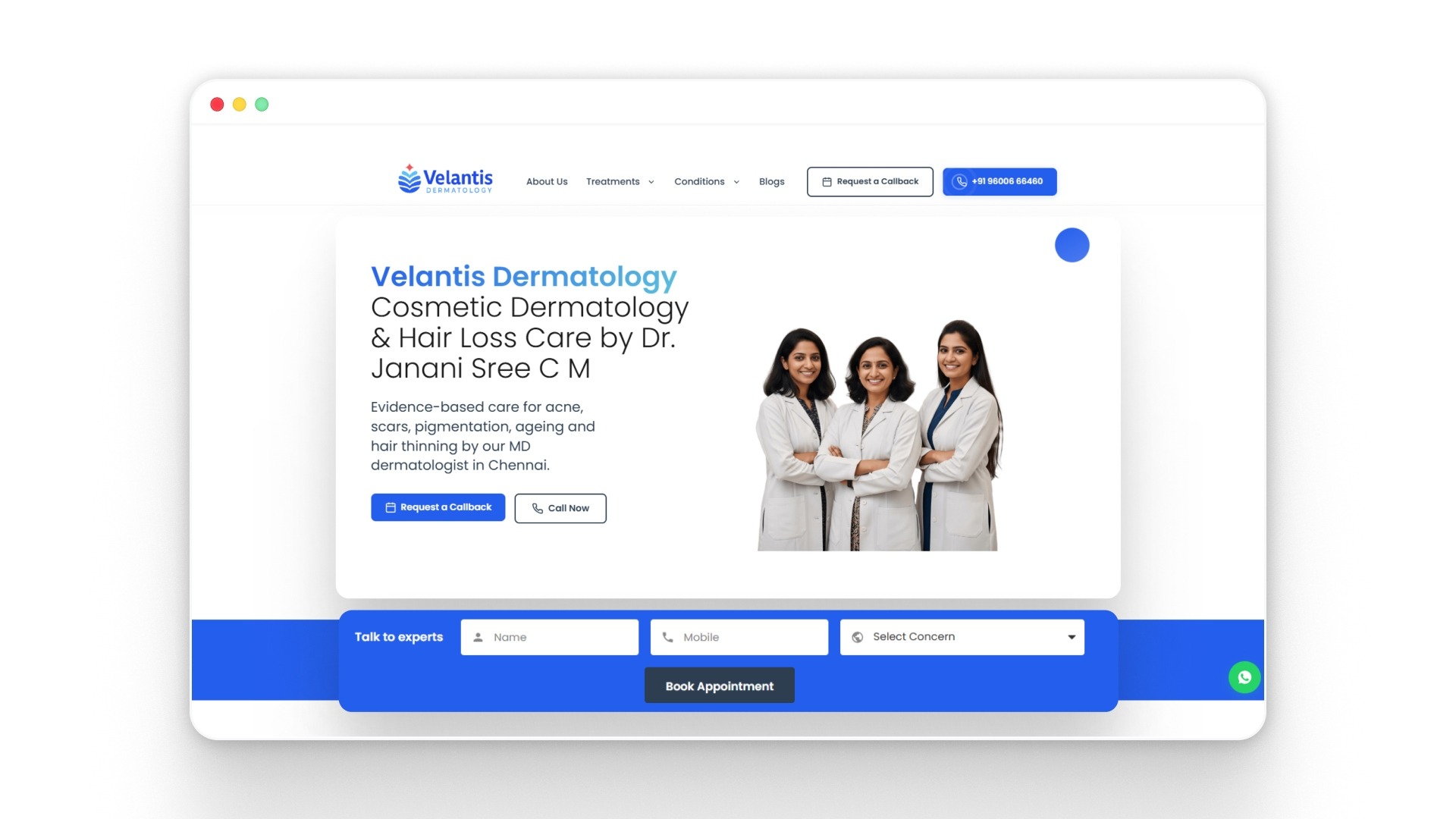
Velantis Dermatology offers hair loss treatment under the guidance of Dr. Janani Sree C M, a trusted MD dermatologist. Here, hair loss is managed as a medical condition, not just a cosmetic concern. Your treatment plan is developed only after assessing your hair loss pattern, scalp condition, progression over time, and the current state of your hair follicles.
Rather than offering pre-set packages, treatments like medical therapy, PRP, or GFC are suggested only when they are appropriate for your condition and likely to be effective. Regular follow-ups are used to monitor how your hair responds, so your treatment plan can be adjusted as needed over time.
- Begins with a structured consultation process, rather than immediate treatment.
- Use of FDA-approved laser technology with safety-focused protocols.
- Focus on phased treatment, starting with controlling hair fall before targeting regrowth.
- Treatments are selected based on suitability, not bundled into standard packages.
When this may suit you: If you've already tried products or treatments without clear results, or if your hair loss pattern is not straightforward, this kind of structured approach can help avoid unnecessary procedures.
2. Dermea Clinic
Dermea Clinic offers a dermatology-centered approach, combining medical treatments with procedural options.
- Includes topical and oral therapies, along with PRP and supportive treatments.
- Focus on identifying common triggers like hormonal imbalance or deficiencies.
- May follow a semi-structured protocol, depending on your condition.
- Suitable for both early-stage and moderate hair thinning.
What to keep in mind: You should check how deeply your diagnosis is explained before treatment begins, especially if multiple options are suggested early.
3. Aura Skin & Hair Clinic
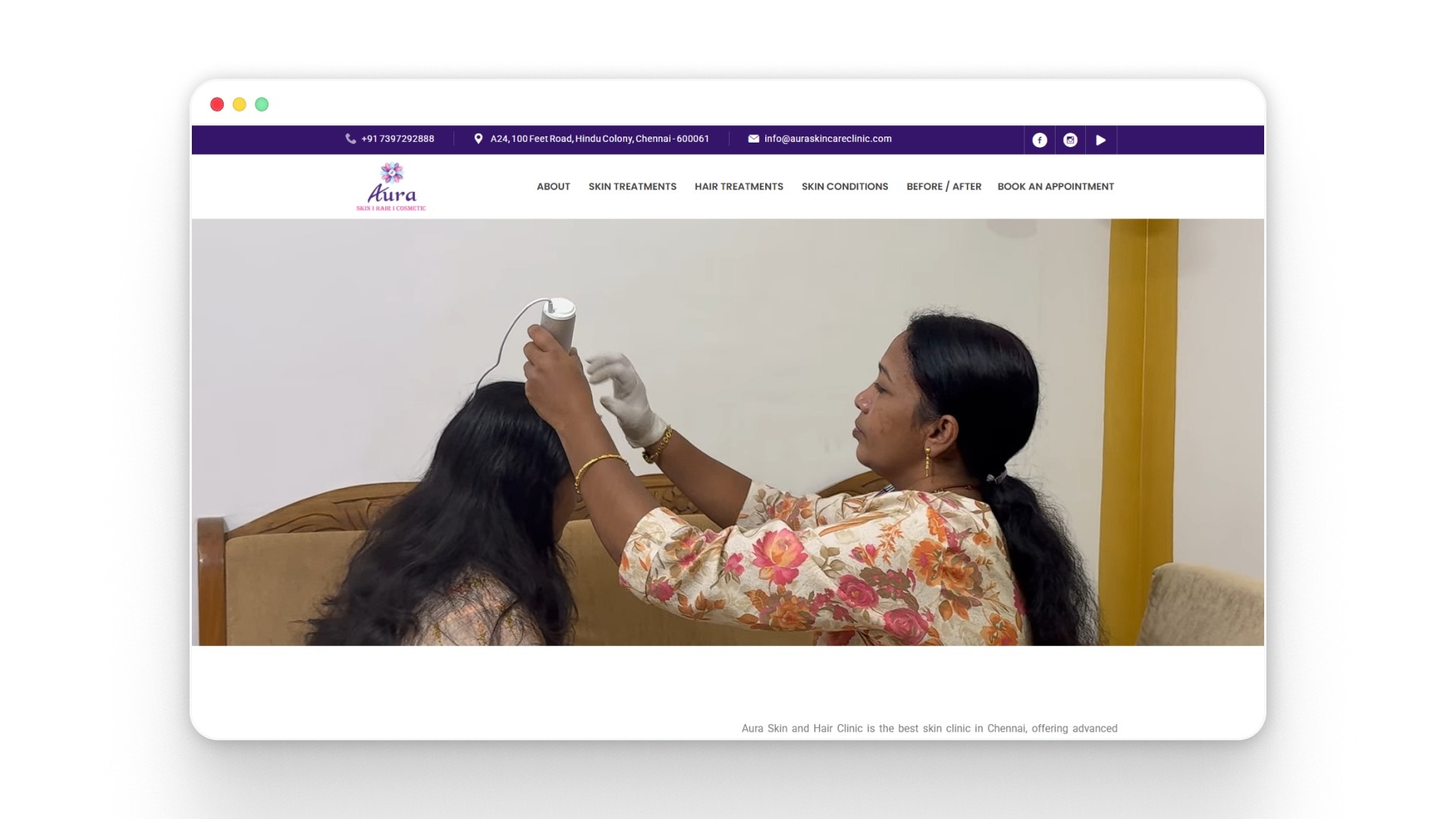
Aura positions itself around aesthetic and scalp health-focused treatments, which can be useful if your hair loss is linked to visible scalp concerns.
- Combines scalp treatments, PRP, and supportive therapies.
- Focus on improving the scalp environment alongside hair regrowth.
- May include cosmetic-driven solutions in addition to medical care.
- Treatment plans can vary based on the clinic's assessment style.
When this may suit you: If your hair loss is accompanied by dandruff, scalp sensitivity, or buildup, a scalp-focused approach may be beneficial, but only if the root cause is also addressed.
4. Oliva Clinic
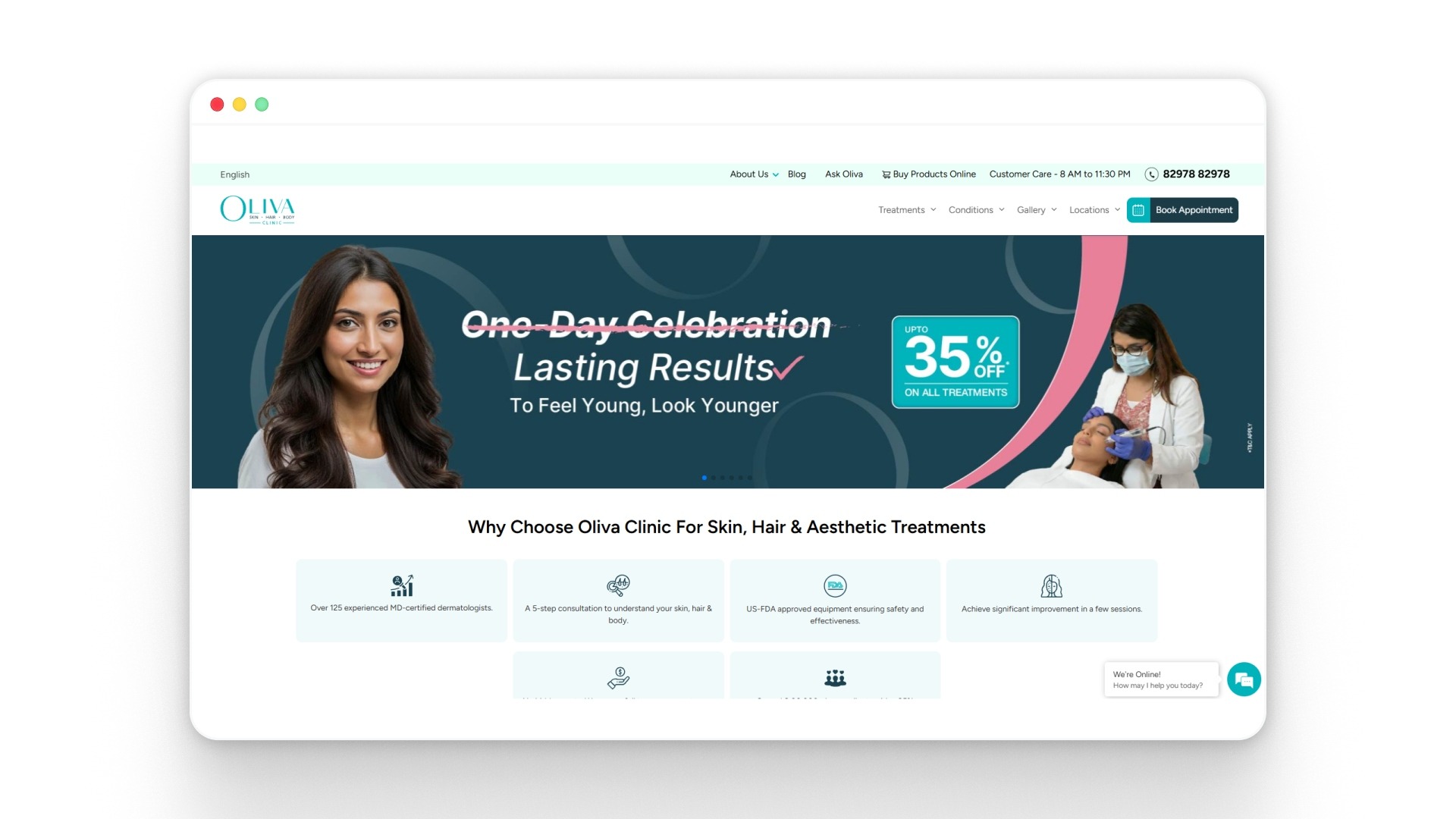
Oliva follows a more standardized, protocol-based system, which is common in larger chain clinics.
- Offers predefined treatment pathways for different hair loss stages.
- Includes PRP, medical therapy, and advanced procedures.
- Structured consultation process with clear treatment packages.
- Consistency across branches in terms of technology and protocols.
What to consider: While structured systems can be efficient, it's important to ensure your treatment is not overly generalised. Ask how much the plan is tailored to your specific scalp condition.
5. Aesthetiq Clinic
Aesthetiq Clinic focuses on advanced dermatology and aesthetic procedures, including hair restoration treatments.
- Offers procedure-based solutions, including PRP and other advanced therapies.
- Often integrates cosmetic dermatology with hair treatment plans.
- May suit patients looking for technology-driven options.
- Approach can vary depending on practitioner expertise.
When this may suit you: If you are already considering procedural treatments and want access to newer techniques, this clinic may be relevant, but clarity on long-term planning is important.
Also Read: Best Pico Laser Treatment Near East Tambaram, Chennai: Top 5 Clinics
How to Assess These Clinics for Your Situation
Before deciding, try to move beyond surface-level comparisons. Instead of asking "Which clinic is best?", ask:
- Does the clinic clearly explain what is causing your hair loss?
- Are they starting with stabilising hair fall before pushing procedures?
- Is the treatment plan flexible based on your progress?
- Are expectations around results, timelines, and maintenance explained honestly?
Hair loss treatment is rarely about a single session or a fixed package. The clinics that tend to deliver more stable outcomes are the ones that adapt your treatment as your hair responds, rather than following a one-size-fits-all model.
Taking time to assess this can help you avoid unnecessary treatments and costs and focus on what is more likely to work for your hair in the long term.
Cost of Hair Loss Treatment in East Tambaram
The cost of treating hair loss can vary widely because it depends on what your scalp needs, not just the clinic you choose. A proper plan usually combines diagnosis, medical management, and, if required, procedures over time.
Here's a general idea of what you might expect:
Also Read: GFC Hair Treatment Price in Chennai: Complete Cost Guide (2026)
What Influences Your Cost
Your overall expense is shaped by:
- The stage of your hair loss is early or advanced.
- Whether the focus is on stabilising hair fall or regrowth.
- The number of sessions required.
- The clinic's approach is customised or package-based.
Note: Lower cost may mean limited customisation, while higher cost doesn't always guarantee better results. What matters more is choosing a plan that is clearly explained, suited to your condition, and sustainable over time.
How Many Sessions of Hair Loss Treatment Do You Need?
Hair loss treatment is not a one-time fix. The number of sessions depends on your diagnosis, response to treatment, and the type of therapy used.
Typical Session Expectations
- Medical management: Ongoing, with monthly reviews in the initial phase.
- PRP or GFC treatments: Usually 3-6 sessions, spaced about 3-4 weeks apart.
- Laser therapy: Multiple sessions per week or as part of a structured package over a few months.
How Your Plan Is Structured
Most treatments follow a phased approach:
- Stabilisation phase (first 1-3 months): Focus is on reducing active hair fall
- Regrowth phase (3-6 months): Treatments aim to improve thickness and density
- Maintenance phase (beyond 6 months): Sessions become less frequent, but consistency is still important
Note: The number of sessions varies based on how early you begin treatment, the cause of your hair loss, and how your scalp responds. Managing underlying factors like stress or deficiencies also plays a key role in how your plan progresses.
Conclusion
Hair loss treatment is generally more effective when it begins with understanding why your hair is thinning and how your scalp and follicles are functioning right now. Instead of quick fixes, the focus is on slowing further loss, supporting existing hair, and improving overall quality over time.
If you are considering hair loss treatment in East Tambaram, choosing a clinic that prioritises diagnosis and ongoing monitoring can make a meaningful difference. When your treatment is adjusted based on how your hair responds, it becomes more practical and sustainable rather than fixed from the start.
To understand whether hair loss treatment suits your hair profile, consider booking a consultation at Velantis Dermatology with Dr. Janani Sree C M for a clinical assessment.
FAQs
1. How do I know if my hair loss is temporary or pattern-based?
Temporary hair loss usually shows as sudden, diffuse shedding across the scalp, often linked to stress, illness, or nutritional issues. Pattern hair loss, on the other hand, progresses gradually with thinning at specific areas like the hairline or crown. A scalp evaluation helps confirm this accurately.
2. Can hair loss be reversed if I start treatment early?
If you begin treatment when hair follicles are still active, you can often slow down hair loss and improve thickness. However, completely restoring lost density depends on how long the follicles have been inactive.
3. What is the difference between PRP and GFC for hair loss treatment?
PRP (Platelet-Rich Plasma) uses your blood plasma to stimulate hair follicles, while GFC (Growth Factor Concentrate) is a more refined version where specific growth factors are isolated and injected. GFC is often considered more targeted, but both are recommended only if your follicles are still responsive.
4. How long does it take to see visible results from hair loss treatment?
You may notice reduced hair fall within a few weeks, but visible improvement in thickness or regrowth usually takes 3 to 6 months, depending on your condition and consistency.
5. Is hair loss treatment painful or uncomfortable?
Most treatments, including PRP or GFC, involve mild discomfort rather than pain. Clinics usually use numbing methods to make the procedure more manageable.
6. Do I need to take medications along with procedures like PRP?
In many cases, yes. Procedures alone may not address the root cause. Medical treatments help stabilise hair loss, while procedures support regrowth—both are often used together for better outcomes.
7. Can stress alone cause noticeable hair loss?
Yes, high stress can trigger a condition called telogen effluvium, where more hair enters the shedding phase. This type of hair loss is usually temporary but may require support if it persists.
8. How do I choose the right clinic for hair loss treatment in East Tambaram?
Look for clinics that explain your diagnosis clearly, tailor treatments to your condition, and provide structured follow-ups. Avoid places that suggest procedures without understanding the cause of your hair loss.
9. Is laser therapy effective for hair regrowth?
Low-level laser therapy (LLLT) can help improve scalp circulation and support hair growth in the early stages. However, it is typically more effective when combined with a comprehensive treatment plan rather than used on its own.
10. Will I need lifelong treatment for hair loss?
Not always lifelong, but many conditions require maintenance to sustain results. The frequency and type of maintenance depend on your hair loss pattern and how your scalp responds over time.

.png)

.jpg)
.jpg)