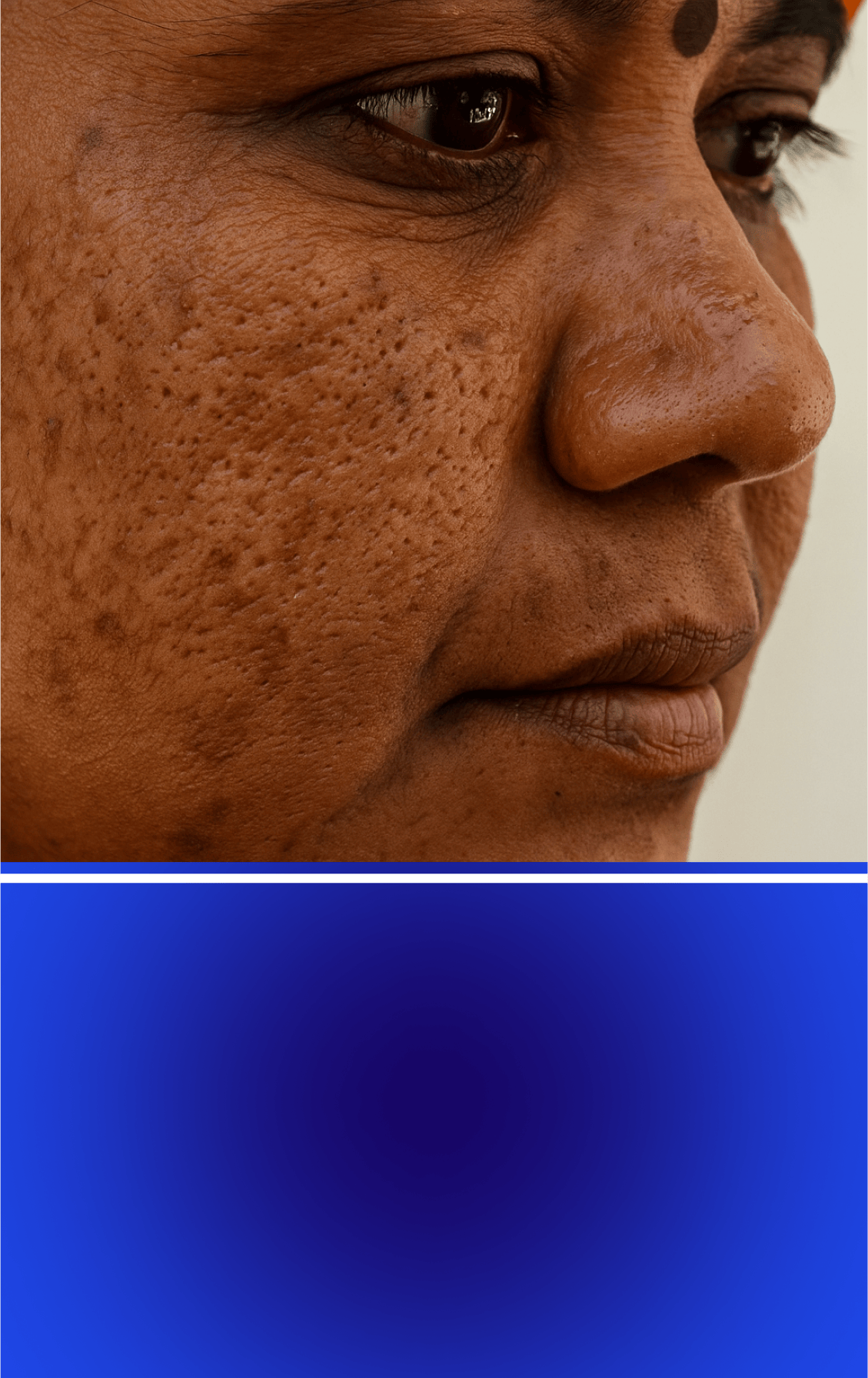
Uneven skin tone or pigmentation rarely improves consistently with skincare alone. What often starts as mild tanning or small patches can gradually become more stubborn, especially when treatments are delayed or not suited to the underlying cause.
Pigmentation concerns such as melasma, tanning, or post-inflammatory darkening may appear similar on the surface, but they behave very differently depending on depth and triggers. Studies suggest that visible pigmentation can significantly affect confidence, which is why many individuals consider targeted dermatological treatments.
That is why relying only on topical products may not always be enough. In cities like Chennai, where most individuals fall under Fitzpatrick skin types IV–V, treatment needs to be carefully planned, as incorrect laser selection or aggressive settings can increase the risk of further pigmentation.
If you are exploring laser skin lightening treatment in Ponmar, understanding how laser choice and treatment planning are tailored to your skin type can help you make a more informed decision.
Key Takeaways
- Laser skin lightening is planned based on pigmentation depth and skin sensitivity, not just visible tone.
- Indian skin types (IV–V) require careful laser selection and conservative settings to reduce risk.
- Results depend on gradual treatment progression rather than quick correction.
- Multiple sessions are usually needed, with adjustments based on how your skin responds over time.
- When choosing a clinic in Ponmar, look for proper evaluation, customised planning, and safety-focused protocols rather than standardised treatment.
How Laser Skin Lightening Actually Works on Your Skin
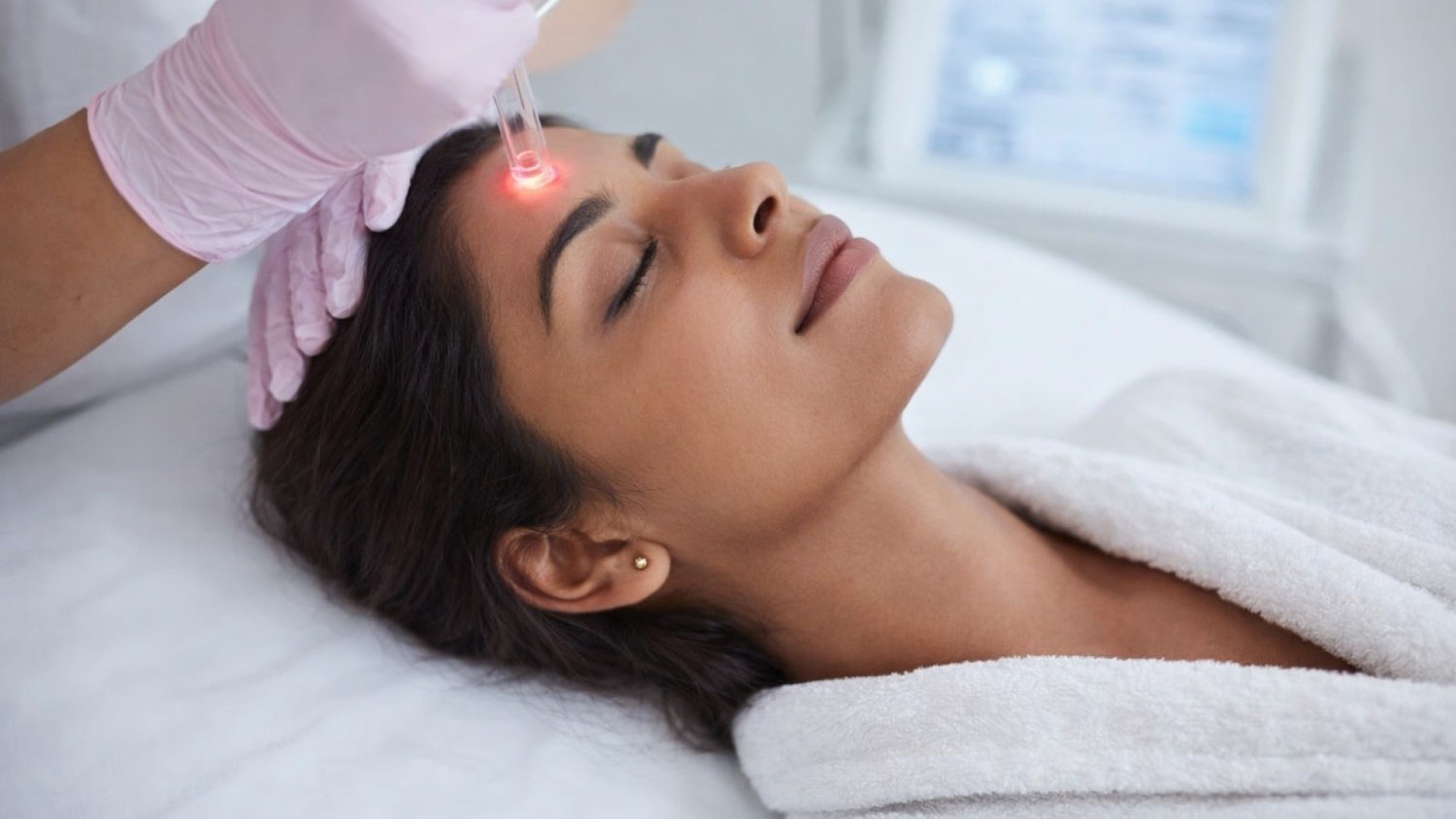
Laser skin lightening is not a single technique, but a process where controlled light energy is used to target excess melanin in the skin. This helps break down pigment and allows the skin to gradually appear more even-toned over time.
However, the way this process works can vary depending on:
- The type of laser used.
- The depth of pigmentation.
- How your skin responds to heat and energy.
This is why two individuals with similar concerns may require completely different treatment approaches.
How the Treatment Is Planned and Carried Out
Laser skin lightening is usually performed in stages, allowing your skin to respond gradually.
Also Read: Best Dermatologist in Chennai: Celebrities' Top Picks
Knowing how treatment is structured helps you assess which clinics follow a consistent, safety-focused approach in real settings.
Top 5 Clinics Offering Laser Skin Lightening Treatment Near Ponmar
If you are exploring laser skin lightening treatment in Ponmar, Chennai, most clinics are located within a short travel radius across OMR, Medavakkam, and nearby areas. While all clinics may offer laser-based treatments, the key differences lie in how pigmentation is assessed, which laser is selected, and how cautiously the treatment is delivered for your skin type.
1. Velantis Dermatology
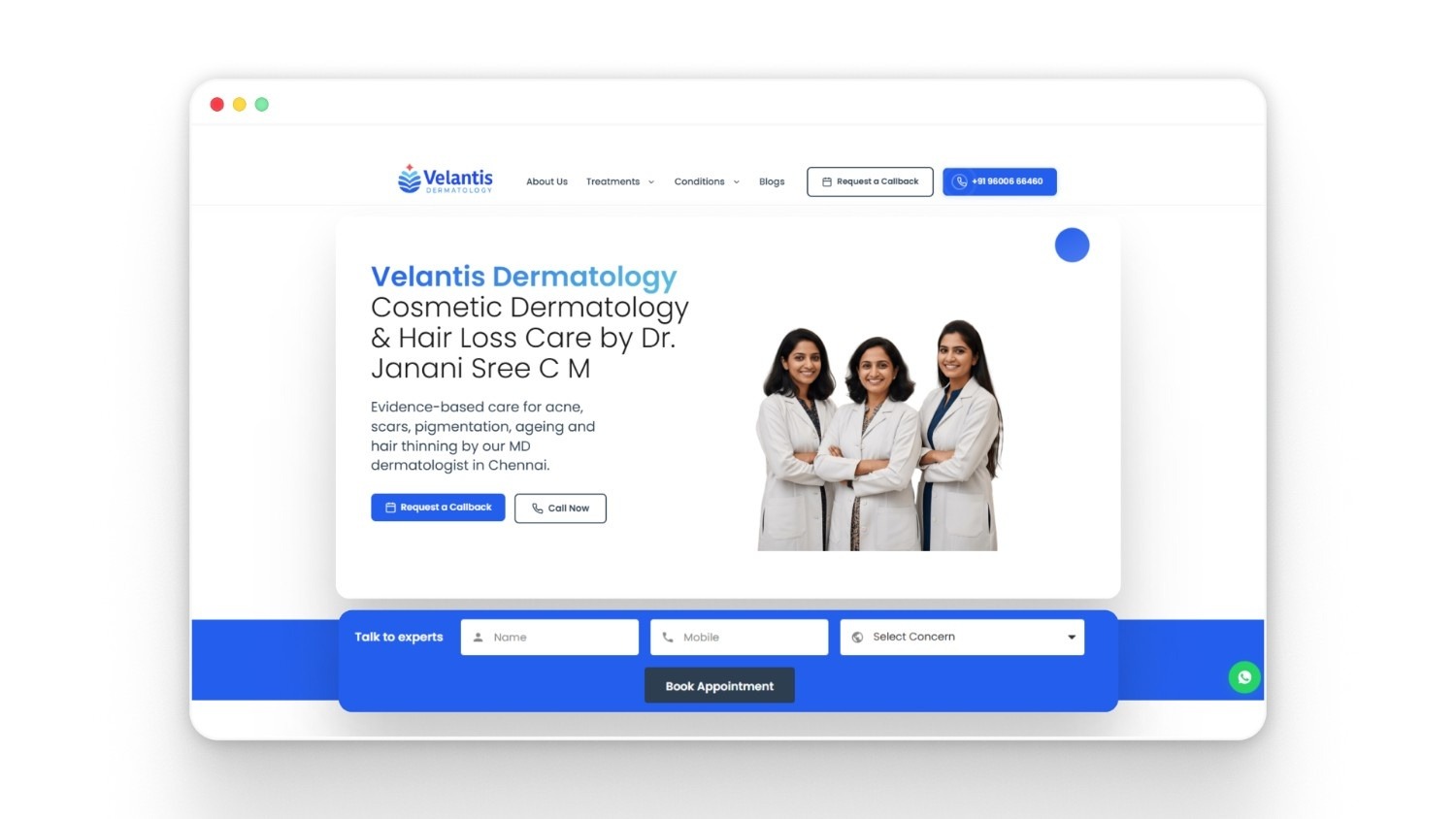
At Velantis Dermatology, laser treatments are planned based on clinical evaluation of pigmentation depth and skin response, rather than selecting a fixed procedure. Treatments are performed under the supervision of trusted MD dermatologist Dr Janani Sree C M, with a focus on matching laser type and settings to Indian skin sensitivity.
What Defines Their Approach
- Laser selection based on pigmentation depth and skin type.
- Use of FDA-approved laser systems, which are designed for controlled energy delivery, is an important factor when treating Indian skin types, where safety and precision matter.
- Emphasis on gradual progression to reduce pigmentation risk.
How Treatment Is Planned
- Settings adjusted based on skin response across sessions.
- Sessions spaced to allow healing and pigment stabilisation.
- Integrated with dermatology-led evaluation before each step.
Best Suited For
- Individuals are concerned about post-treatment pigmentation risks.
- Those seeking personalised, dermatologist-led laser treatment planning, supported by over 500 verified patient reviews reflecting consistent clinical care.
If you want to understand whether laser skin lightening treatment is suitable for your skin profile, you must consider booking a consultation at Velantis Dermatology to discuss your concerns based on clinical evaluation.
2. Oliva Skin & Hair Clinic
sourcelink
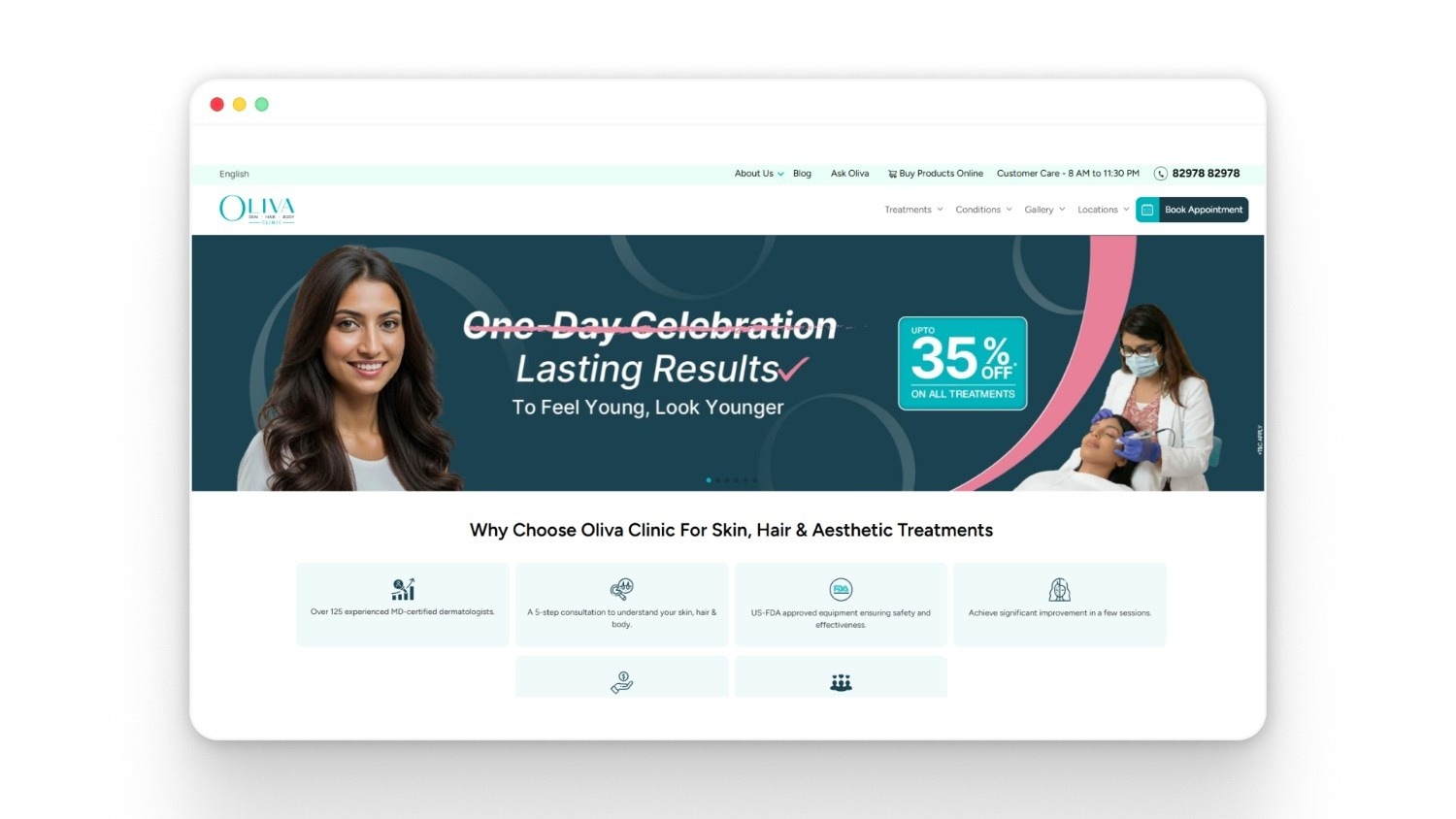
Oliva operates as a large dermatology network, offering laser skin lightening within a structured treatment system supported by multiple dermatologists and standardised protocols.
What Defines Their Approach
- Laser treatments are delivered using established dermatology protocols.
- Access to multiple laser technologies across branches.
- Focus on consistent treatment delivery.
How Treatment Is Planned
- Sessions are structured in defined treatment sequences.
- Progress tracked through scheduled follow-ups.
- May combine lasers with other skin treatments if required.
Best Suited For
- Individuals looking for structured, clinic-driven treatment plans.
- Those who prefer online booking with transparent, no-hidden-cost pricing discussed upfront.
3. SKY Skin & Laser Clinic
sourcelink
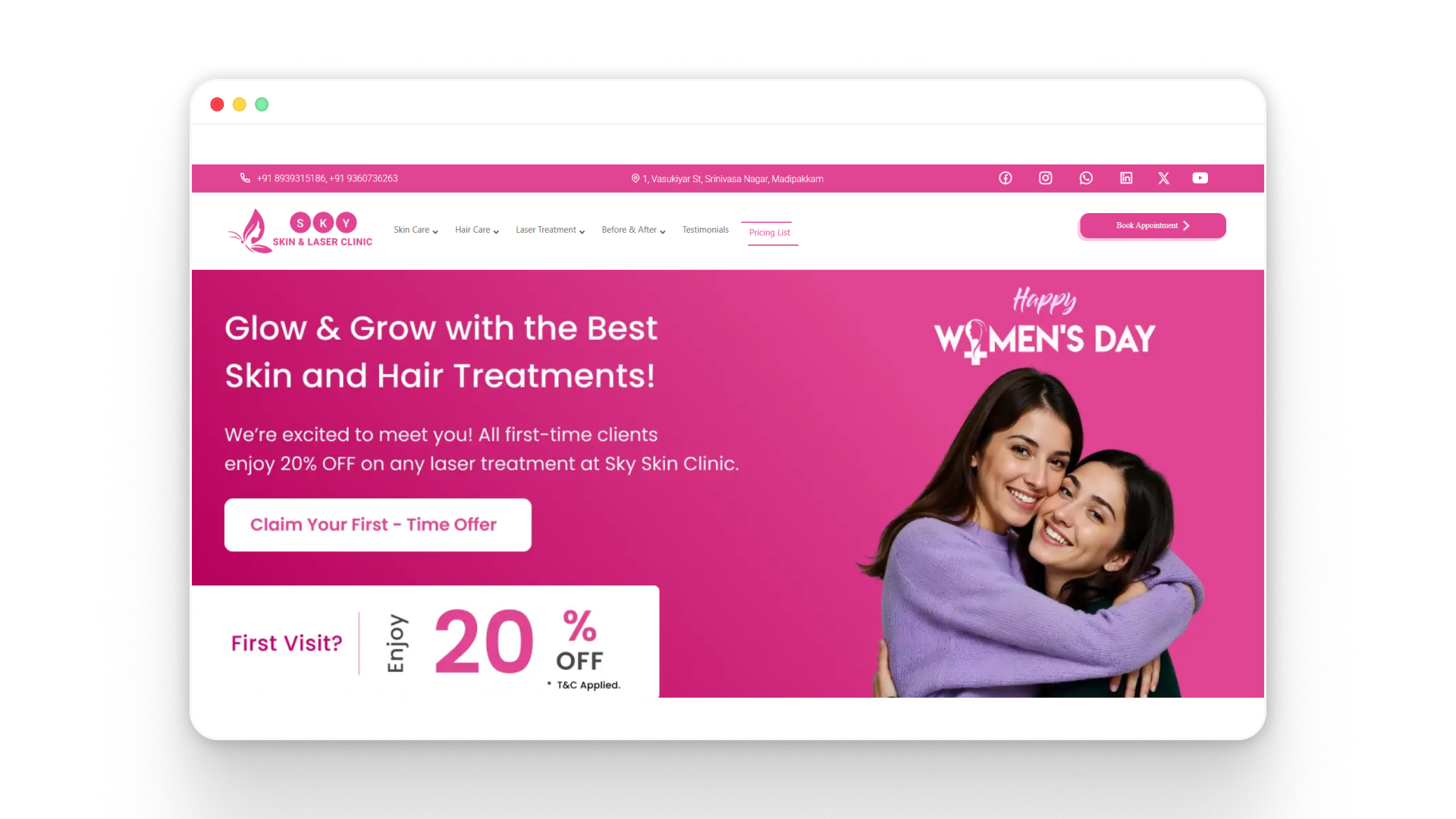
SKY Skin & Laser Clinic focuses on technology-driven laser treatments, with an emphasis on selecting devices based on skin type and pigmentation profile. Patch testing before initial sessions is standard practice here.
What Defines Their Approach
- Use of Q-switched and fractional lasers for pigmentation concerns.
- Treatment selection based on skin-specific evaluation.
- Focus on matching laser type to concern.
How Treatment Is Planned
- Laser choice guided by pigment distribution and skin tone.
- Sessions delivered with controlled energy settings.
- Follow-ups are used to monitor tolerance and response.
Best Suited For
- Individuals exploring laser-based pigmentation correction.
- Those interested in technology-focused treatment selection.
4. Mahi Skin, Hair & Laser Clinic
sourcelink
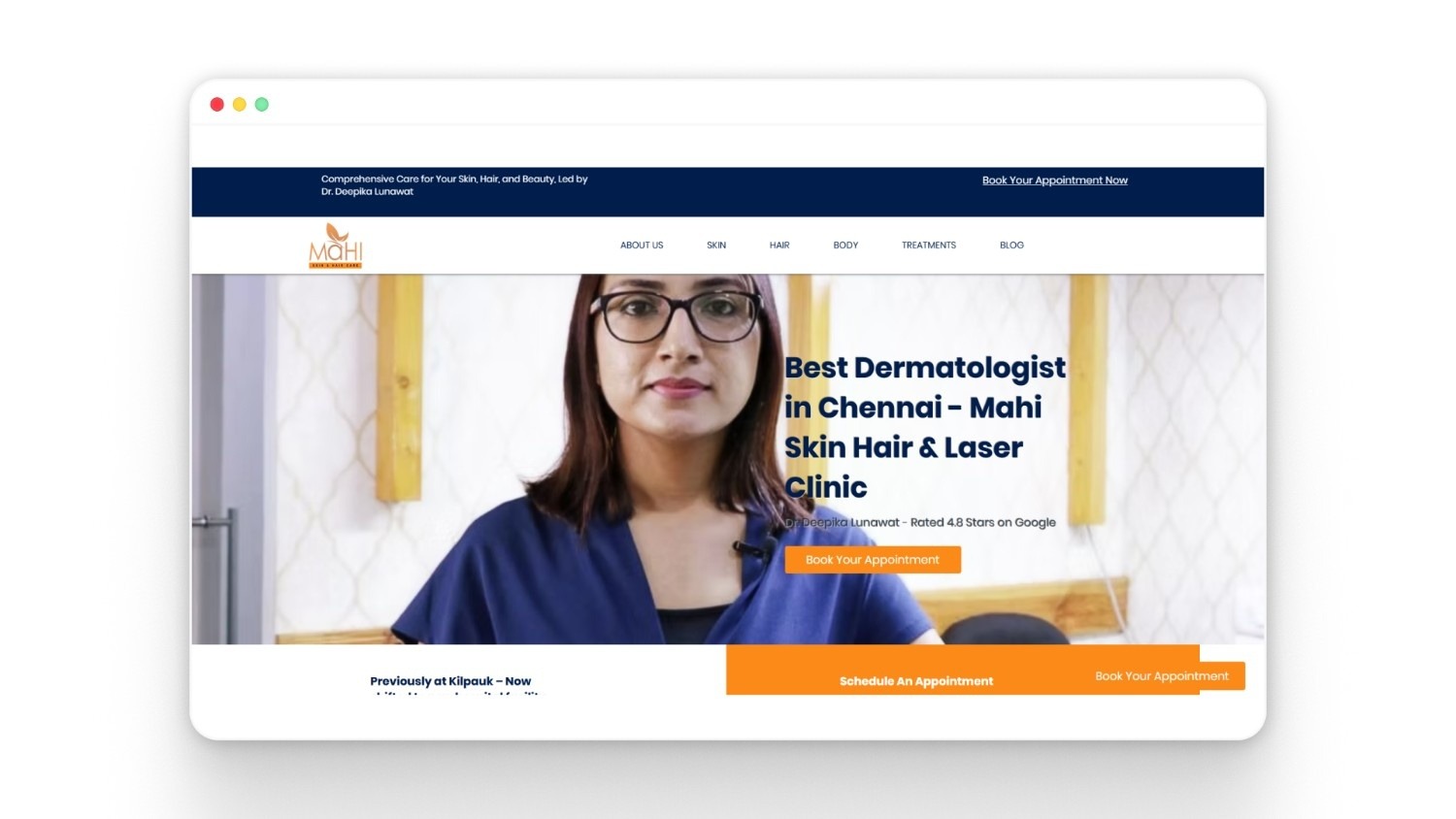
Mahi Skin, Hair & Laser Clinic provides laser treatments within a dermatology and aesthetic care framework, led by Dr Deepika Lunawat, focusing on both skin health and visible improvement.
What Defines Their Approach
- Dermatologist-led care with personalised treatment recommendations.
- Use of modern laser technologies for skin concerns.
- Emphasis on patient-centric treatment planning.
How Treatment Is Planned
- Evaluation of skin condition and treatment goals.
- Sessions adjusted based on visible improvement and tolerance.
- May include supportive skin treatments alongside lasers.
Best Suited For
- Individuals looking for aesthetic + clinical balance.
- Those preferring flexible, growing treatment plans.
5. Aura Skin & Hair Clinic
sourcelink
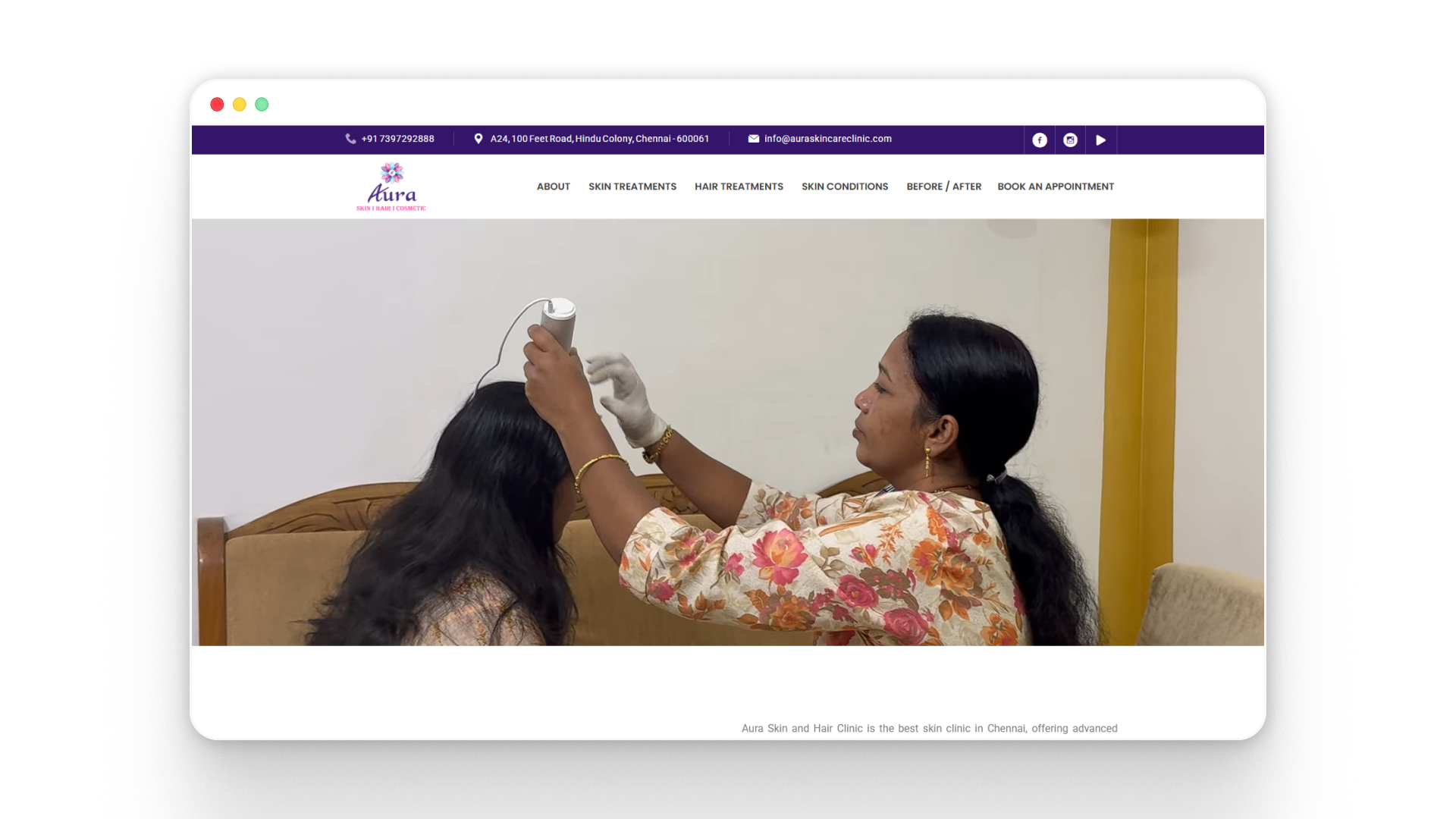
Aura Skin & Hair Clinic offers laser skin lightening within a dermatology and aesthetic treatment setup, where the focus is on improving uneven skin tone while maintaining overall skin quality. The approach typically combines clinical assessment with aesthetic goals, especially for concerns like tanning and patchy pigmentation.
What Defines Their Approach
- Evaluation of skin tone variation, pigmentation type, and sensitivity.
- Use of laser-based treatments alongside supportive skin therapies.
- Focus on achieving visible tone improvement without over-aggressive correction.
How Treatment Is Planned
- Laser sessions are selected based on visible pigmentation and skin tolerance.
- Treatment may be combined with adjunct skincare or procedures.
- Adjustments are made based on how the skin responds across sessions.
Best Suited For
- Individuals looking for overall skin brightening, along with pigmentation correction.
- Those open to combination-based aesthetic treatments.
- Patients who prefer a gradual, appearance-focused improvement approach.
Choosing between these approaches depends on how your skin responds to different laser types and settings, which is typically assessed through a detailed, dermatologist-led evaluation.
Clinic differences matter, but what ultimately shapes results is how the laser is selected and tailored to your skin type and pigmentation.
Also Read: 5 Best Hair Loss Treatment Clinics in Medavakkam, Chennai (2026)
Why Laser Selection Matters More Than the Treatment
Laser skin lightening is often spoken about as a single procedure, but in reality, it involves different technologies designed for different types of pigmentation and skin tones. Choosing the wrong approach can affect both results and safety.
1. Depth of Pigmentation Changes the Approach
Pigmentation can exist at different levels of the skin.
- Surface pigmentation may respond to gentler lasers.
- Deeper pigmentation may require gradual, controlled treatment.
Using the same laser for all cases may not produce consistent results.
2. Skin Tone Sensitivity (Fitzpatrick IV–V)
The Fitzpatrick scale is a technique used to gauge how different skin tones respond to sun exposure and treatments.
- Darker skin tones are more sensitive to heat and energy-based treatments.
- There is a higher risk of post-inflammatory pigmentation if not handled carefully.
This is why treatments usually require conservative settings and gradual progression, rather than aggressive intensity. Studies available through MDPI journals suggest that fractionated laser approaches in PIH may achieve 50-75% improvement over time, especially in Asian skin, highlighting the role of controlled settings and treatment pacing.
3. Different Laser Technologies Serve Different Roles
Clinics may use different types of lasers depending on the concern.
- Some lasers target melanin specifically.
- Others focus on overall skin resurfacing or tone improvement.
The choice depends on your skin profile, not just the availability of machines.
4. Treatment Intensity vs Safety: What to Expect
Laser skin lightening is not just about the technology used, but also about how aggressively the treatment is delivered. The balance between intensity and safety can influence both results and the risk of side effects, especially for Indian skin types.
Note: Laser skin lightening works best when technology, skin type, and pigmentation depth are aligned. The effectiveness of treatment depends less on the procedure name and more on how carefully it is customised for your skin.
Once you understand how laser selection influences treatment outcomes, the next step is to consider how long the process may take and what kind of commitment is involved before starting.
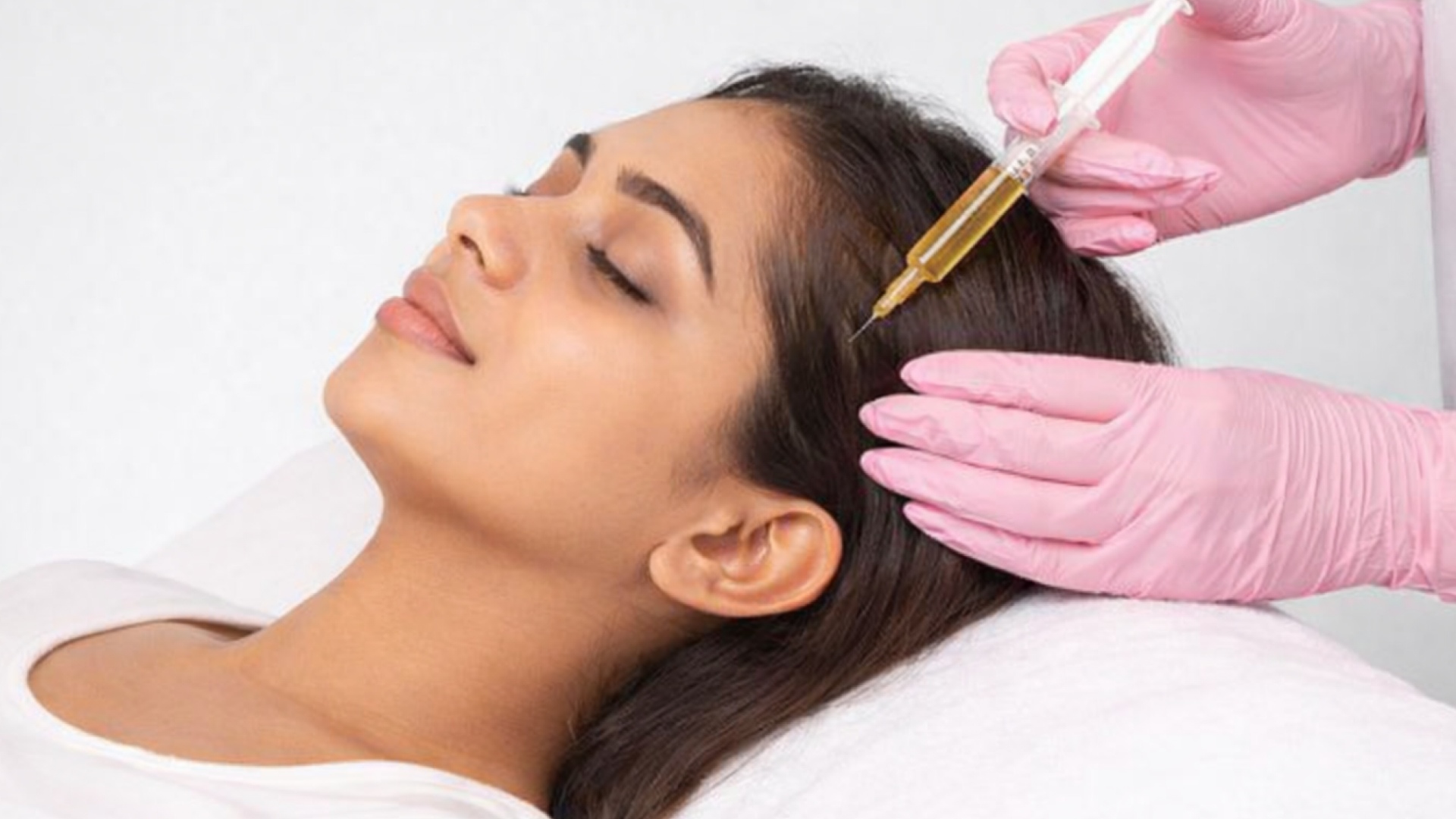
How Many Sessions Are Usually Needed for Hair Loss Treatment?
Hair loss treatment is typically planned over multiple sessions rather than a one-time procedure. Since hair growth follows a natural cycle, treatments are spaced over time to allow follicles to respond gradually.
Here is a general overview:
In most cases, sessions are spaced a few weeks apart to allow the scalp time to respond between treatments. The exact number of sessions may vary depending on hair loss stage, follicle activity, and how your scalp responds to initial treatment.
Because hair loss can be progressive, dermatologists may adjust the frequency or type of treatment over time rather than following a fixed plan.
Understanding how many sessions may be required can also help you estimate the overall cost of treatment, as pricing is often linked to the number of sessions and the type of procedure recommended.
Understanding the Cost of Laser Skin Lightening Near Ponmar
The cost of laser skin lightening can vary depending on the technology used, pigmentation depth, and the number of sessions required.
What Laser Skin Lightening Typically Costs in Ponmar (2026)
Pricing depends on how the treatment is planned and customised. The table below gives a general cost range across common scenarios.
What Influences the Pricing of the Treatment
Treatment pricing is shaped by how your condition is assessed and planned.
- Type of laser technology used: Different lasers are suited for specific skin tones and concerns, which can affect both safety and pricing.
- Severity and depth of pigmentation: Deeper or more resistant pigmentation may require more sessions and careful progression.
- Number of sessions required: Costs increase with session count, which depends on how your skin responds over time.
- Clinic expertise and supervision: Dermatologist-led planning and monitoring can influence pricing, especially in customised treatments.
While understanding the cost helps you plan your budget, it is equally important to know what goes into that pricing and how the treatment will be tailored to your skin. Asking the right questions during your consultation can help you clarify this before starting treatment.
What Questions to Ask During a Laser Skin Lightening Consultation
Before starting treatment, asking the right questions can help you understand whether the approach is safe and suitable for your skin type.
Also Read: PRP Treatment Cost and Benefits in Chennai
Conclusion
Laser skin lightening is often approached as a quick solution, but in reality, it is a process that depends on how your skin responds over time. What matters is not just the treatment itself, but whether it is adapted carefully to your skin's sensitivity and pigmentation pattern.
If you are considering laser skin lightening treatment in Ponmar, it may help to focus less on how quickly results can be achieved and more on how safely and consistently your skin can improve. A treatment approach that prioritises gradual correction and ongoing evaluation often leads to more stable and predictable outcomes.
For individuals who prefer a clinical, safety-first approach, you may consider consulting Velantis Dermatology to understand which laser treatment may be suitable for your skin and how it can be planned progressively based on your skin's response.
FAQs
1. How do dermatologists decide which laser is suitable for your skin tone?
They assess pigmentation depth, skin sensitivity, and Fitzpatrick type. This helps determine which laser wavelength and settings are safer and more effective for your skin.
2. Can the wrong laser worsen pigmentation?
Yes, inappropriate laser choice or aggressive settings can trigger post-inflammatory pigmentation, especially in darker skin types, making the condition more noticeable.
3. How do you know if your pigmentation is superficial or deep?
Dermatologists evaluate colour, distribution, and history of pigmentation. In some cases, specialised tools may be used to estimate how deep the pigment lies.
4. Why do some people see uneven results after laser treatment?
Uneven results can occur if pigmentation depth varies across the face or if treatment settings are not adjusted for different areas.
5. Is laser skin lightening suitable for sensitive skin?
It may be considered with cautious settings and gradual progression. Sensitivity levels are assessed before treatment to minimise risk.
6. Can tanning return after laser treatment?
Yes, continued sun exposure can lead to recurrence. Maintenance care and sun protection play a key role in sustaining results.
7. How do dermatologists minimise the risk of pigmentation after treatment?
They use conservative settings, gradual session planning, and pre- and post-treatment care to reduce the risk of inflammation and pigment changes.
8. Does skin type affect the number of sessions required?
Yes, darker or more sensitive skin types may require more gradual sessions to ensure safety and stable improvement.
9. Can laser treatment be combined with other skin therapies?
In some cases, dermatologists may combine treatments to improve outcomes, depending on skin condition and treatment goals.
10. What signs indicate that your treatment is progressing safely?
Gradual improvement in skin tone without irritation, excessive redness, or new pigmentation may indicate that the treatment is being delivered appropriately.

.png)
.jpg)
.jpg)