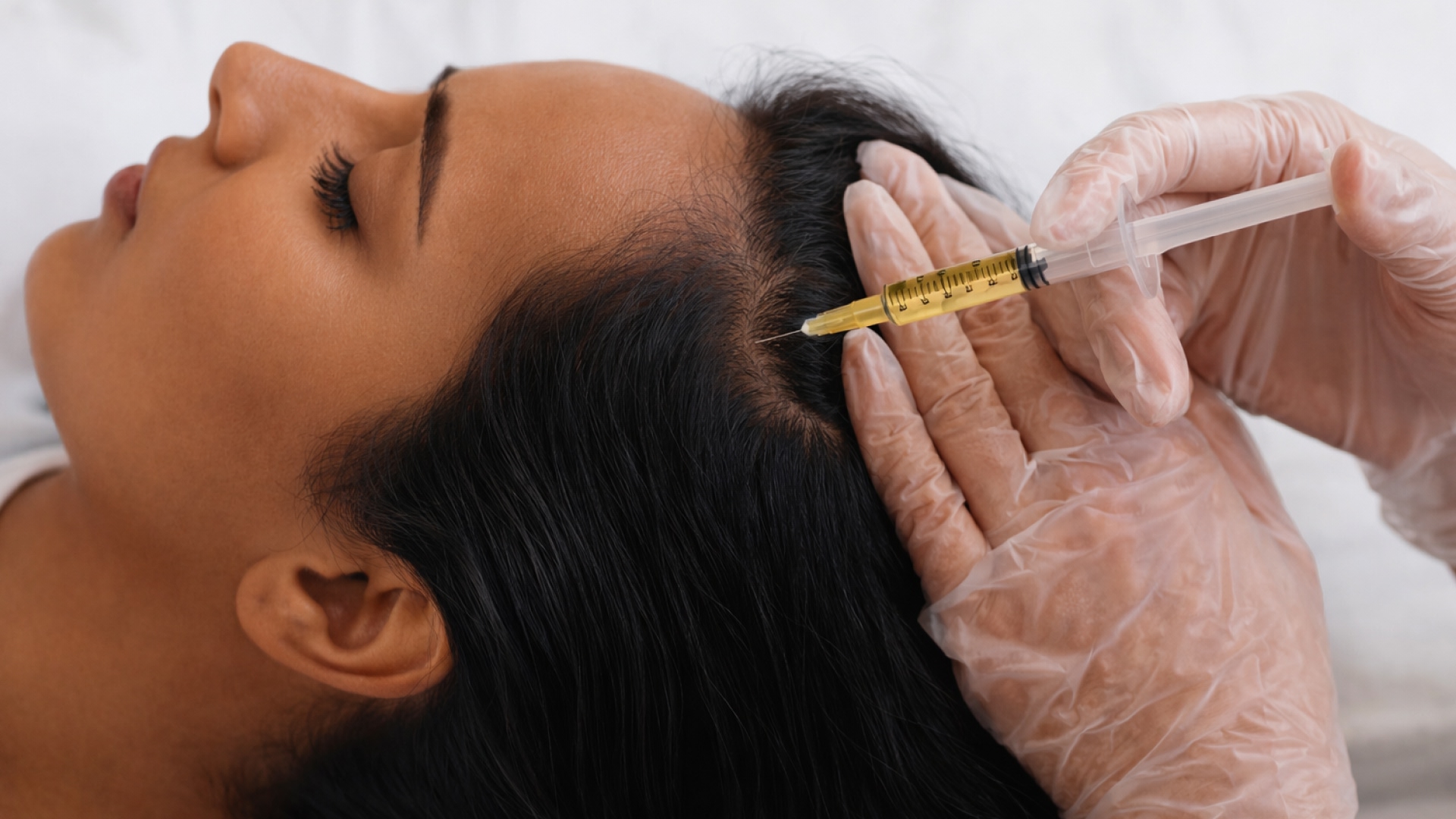
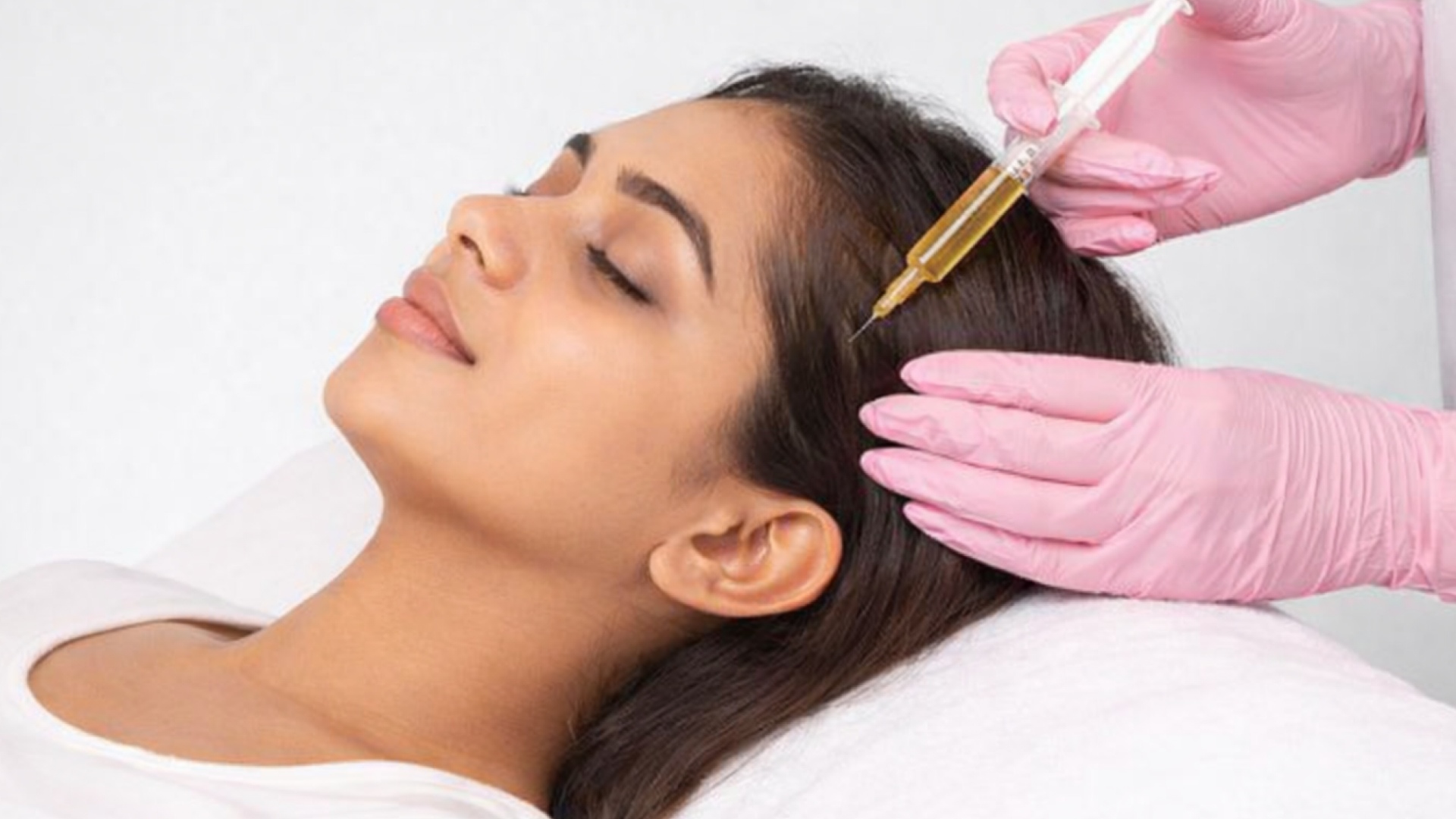
You've been waiting months for results, but your hair keeps falling. Even PRP, a treatment that concentrates your blood's growth factors and injects them into your scalp, is starting to feel like an expensive question mark.
Research in the International Journal of Research in Dermatology shows that male pattern hair loss (androgenetic alopecia) is common among Indian men aged 30-50. But how you respond to PRP depends on far more than how much hair you're losing.
If you're considering PRP treatment in Sembakkam, you've probably heard it called a reliable solution. But here's what no one tells you: The real problem isn't the treatment itself, it's whether your scalp was ever ready for it.
This is why understanding suitability becomes more important than simply choosing the treatment.
Key Takeaways
- PRP (Platelet-Rich Plasma) is recommended based on follicle activity and scalp condition, not just visible hair fall.
- It may not be suitable for all stages of hair loss, which is why proper evaluation is essential before starting treatment.
- Results depend on consistency, scalp response, and how the treatment plan is adjusted over time.
- PRP is usually part of a broader treatment strategy rather than a standalone solution.
- Before choosing a clinic, assess how thoroughly your condition is evaluated and whether the treatment plan is tailored to your hair loss pattern.
Why PRP Is Not Suitable for Everyone
PRP is often perceived as a standard solution for hair loss, but in reality, its effectiveness depends on how accurately it matches your specific type and stage of hair loss and scalp response. When this alignment is missing, the same treatment may produce very different outcomes.
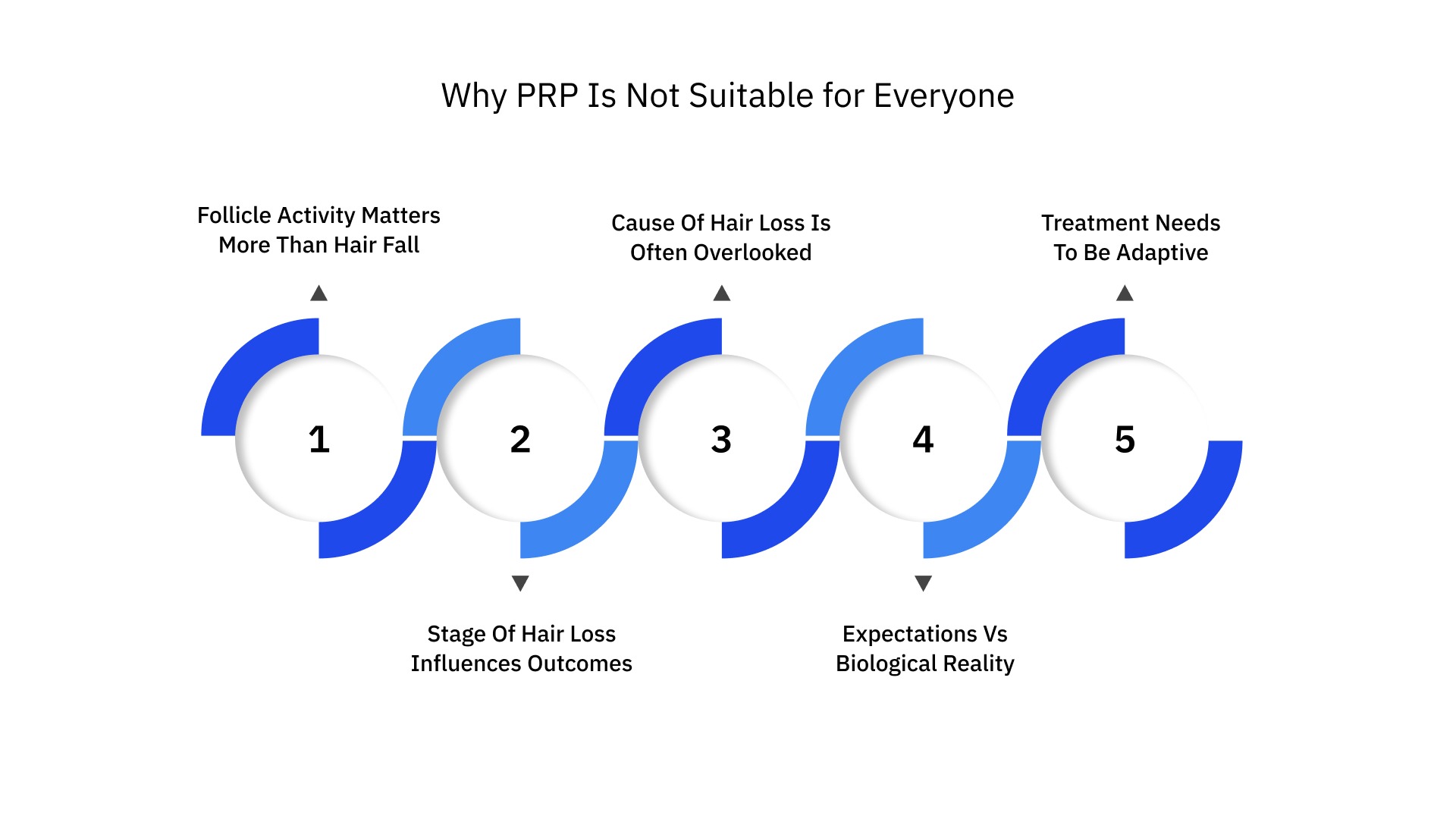
1. Follicle Activity Matters More Than Hair Fall
Hair fall alone does not determine whether PRP will work. The key factor is whether your hair follicles are still active and capable of responding to stimulation.
- If follicles are active, PRP may help support growth.
- If follicles are significantly miniaturised, the response may be limited.
PRP tends to be more effective when there is existing follicle activity to work with.
2. Stage of Hair Loss Influences Outcomes
Hair loss progresses over time, and the stage at which treatment begins can affect results.
- Early-stage thinning may respond better.
- Long-standing hair loss may require maintenance-focused approaches.
The same PRP treatment may lead to visible improvement in some cases and minimal change in others.
3. Cause of Hair Loss Is Often Overlooked
Hair loss or thinning can happen due to various reasons, including pattern hair loss, stress-related shedding, or nutritional factors.
- PRP targets follicle stimulation, not underlying triggers.
- If the cause is not addressed, results may be inconsistent.
Identifying the cause is often as important as choosing the treatment.
4. Expectations vs Biological Reality
PRP is sometimes expected to deliver quick or dramatic regrowth, which may not align with how hair growth actually works.
- Hair growth follows a gradual cycle.
- Early sessions may focus on stabilising hair loss rather than visible regrowth.
Unrealistic expectations can make a treatment seem ineffective even when it is progressing normally.
5. Treatment Needs to Be Adaptive
Hair loss treatment is rarely static. Your scalp response can change over time.
- Some individuals may require adjustments in frequency or approach.
- A fixed plan may not suit everyone.
PRP works best when it is part of a flexible, evolving treatment plan rather than a one-time procedure.
When PRP Is Typically Considered for Hair Loss
PRP is not usually recommended based on hair fall alone. Instead, it is considered when certain clinical conditions suggest that your scalp is likely to respond to stimulation. Understanding these six conditions can help you assess whether PRP may be appropriate in your case.
1. Presence of Active Hair Follicles
A key consideration is whether your hair follicles remain active, even if they are currently producing finer or weaker strands.
- Follicles that are active may still respond to growth factor stimulation
- Completely inactive follicles may show limited or no response
2. Early to Moderate Stages of Hair Thinning
PRP is more often considered in the earlier stages of hair loss rather than the advanced stages.
- Mild to moderate thinning may show better responsiveness
- Advanced hair loss may require a maintenance or supportive approach
3. Stable or Predictable Hair Loss Pattern
PRP may be considered when the pattern of hair loss is relatively stable or follows a predictable progression.
- Gradual thinning patterns are often easier to manage
- Sudden or fluctuating hair loss may require identifying underlying triggers first
4. Healthy Scalp Condition
The condition of your scalp can influence how well PRP works.
- A scalp free from inflammation, infection, or heavy buildup may respond better.
- Underlying scalp issues may need to be addressed before starting treatment.
5. Willingness for Multiple Sessions and Follow-Up
PRP is typically not a one-time procedure. It is planned across multiple sessions and may require follow-up.
- Consistency plays a key role in outcomes
- Results may develop gradually over time
6. Integration with a Broader Treatment Plan
In many cases, PRP is considered as part of a combined approach rather than a standalone solution.
- May be paired with medical treatments or scalp care
- Adjusted based on how your condition progresses
Note: PRP tends to be considered when there is a combination of active follicles, a manageable hair loss stage, a stable pattern, and a healthy scalp environment. It is usually approached as a gradual, structured treatment, often integrated with other therapies and adjusted over time based on response.
Now that you understand when PRP works, let's look at where to get it in Sembakkam and what to avoid.
Clinics Offering PRP Treatment in Sembakkam (2026)
If you are exploring PRP treatment in Sembakkam, you will find multiple clinics within a short distance across Medavakkam, Sholinganallur, and the OMR stretch. While accessibility is convenient, the real difference lies in how PRP is evaluated, recommended, and integrated into a broader treatment plan.
PRP outcomes can vary significantly depending on technique, diagnosis, and patient selection, which is why comparing clinics based only on availability may not be sufficient.
1. Velantis Dermatology

At Velantis Dermatology, PRP is approached as part of a diagnosis-led medical treatment plan rather than a standalone procedure. Treatments are guided by Dr Janani Sree C M, with emphasis on evaluating whether PRP is appropriate before recommending it.
What Sets Velantis Dermatology Apart
- PRP is recommended only after assessing follicle viability, scalp condition, and hair loss stage.
- Focus on evidence-based protocols rather than fixed treatment packages.
- FDA-approved technology that makes sure safe and effective treatments.
- Avoids offering PRP as a default option for all patients.
How PRP Treatment Is Planned
- Begins with a detailed evaluation of hair loss pattern, duration, and medical history.
- PRP may be combined with medical therapy or scalp treatments if required.
- Delivered as a structured series of sessions, not a one-time procedure.
Best Suited For
- Individuals with early to moderate thinning and active follicles.
- Those seeking medical clarity before starting PRP.
- Patients who prefer realistic expectations over cosmetic claims.
If you want to understand whether PRP is suitable for your condition, a consultation with a trusted dermatologist at Velantis Dermatology can help clarify your treatment options.
2. Oliva Skin, Hair & Body Clinic
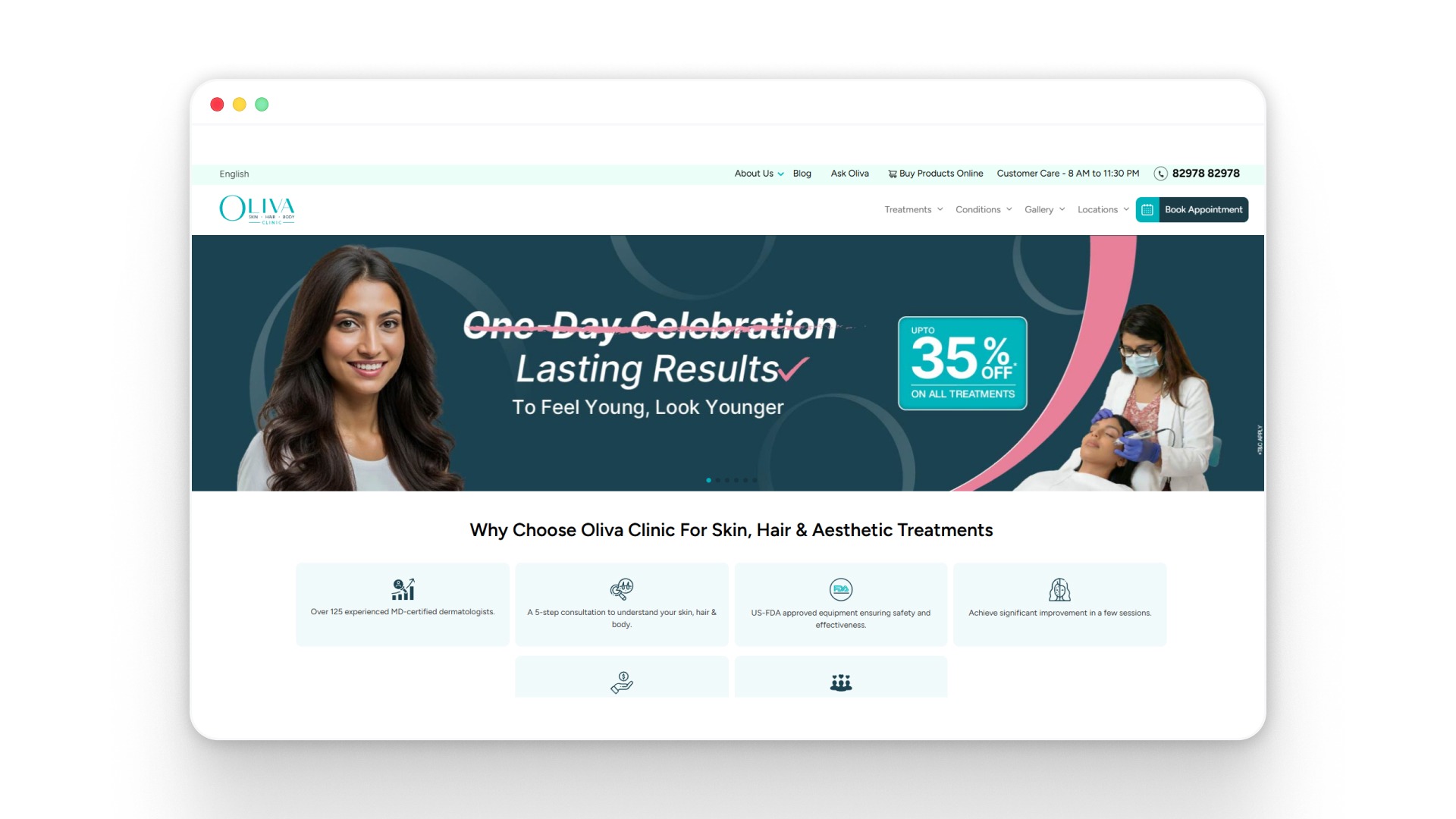
Oliva Clinic follows a structured, protocol-driven approach to PRP treatment across its locations, including near Sembakkam.
What Sets Oliva Apart
- Standardised treatment protocols across branches.
- Clear session planning and package-based structure.
- Defined treatment timelines and follow-up schedules.
How PRP Treatment Is Planned
- Consultation typically leads to a pre-defined session roadmap.
- PRP is delivered as part of a fixed treatment plan.
- Follow-ups are scheduled based on protocol rather than individual variation.
Best Suited For
- Individuals who prefer clarity in cost, sessions, and timelines.
- Those who are comfortable with a structured, system-driven approach.
- Patients are looking for organised treatment planning.
3. Sia Skin & Hair Clinic

Sia Skin & Hair Clinic offers PRP treatment within a dermatology and aesthetic setup, with a focus on accessible and procedure-based care.
What Sets Sia Clinic Apart
- Emphasis on starting treatment early for visible concerns.
- Availability of commonly used procedures like PRP.
- Focus on practical, procedure-led treatment options.
How PRP Treatment Is Planned
- Initial consultation evaluates hair loss pattern and scalp condition.
- PRP sessions are typically delivered as standard procedural treatments.
- Treatments may be performed by trained technicians under supervision.
Best Suited For
- Individuals beginning treatment and seeking straightforward options.
- Those looking for accessible PRP procedures without complex planning.
- Patients prioritising convenience and availability.
4. Aura Skin and Hair Clinic

Aura Skin and Hair Clinic offers PRP as part of a broader range of dermatology and aesthetic services, with a focus on combining treatments for overall hair improvement.
What Sets Aura Clinic Apart
- Combines PRP with other hair and skin treatments when needed.
- Focus on improving hair density along with overall appearance.
- A multi-service setup allows treatment flexibility.
How PRP Treatment Is Planned
- Evaluation includes the hair thinning pattern and scalp condition.
- PRP may be integrated with supportive therapies or adjunct treatments.
- Treatment may evolve based on visible response across sessions.
Best Suited For
- Individuals are open to combination-based treatment approaches.
- Those looking to address both hair health and appearance.
- Patients who may require ongoing adjustments in treatment.
These clinics offer PRP treatment in Sembakkam, but outcomes depend on how your condition is evaluated. The consultation determines whether the treatment is appropriate. Here are five red flags to watch for.
Also Read: 10 Best Dermatologists in Tambaram East, Chennai for Acne, Hair Loss & Pigmentation
Five Red Flags to Watch for During a PRP Consultation
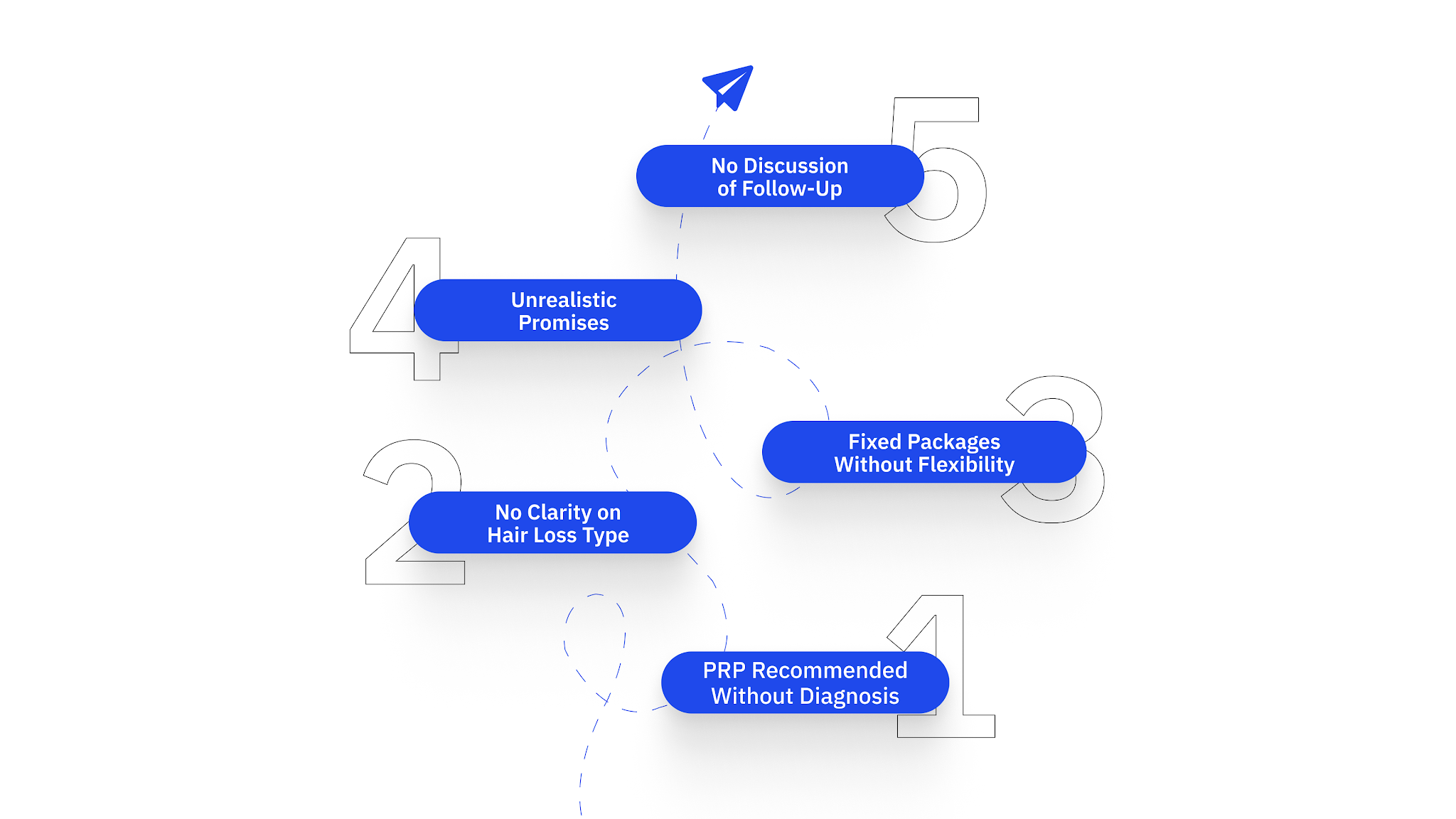
A PRP consultation should help you understand whether the treatment is suitable for your condition. In some cases, early signs during consultation can indicate whether the approach is personalised or procedure-driven.
1. PRP Recommended Without Diagnosis
If PRP is suggested immediately without assessing your hair loss pattern or cause, it may indicate a routine approach.
- No discussion of why PRP is needed.
- The same treatment is suggested for different concerns.
2. No Clarity on Hair Loss Type
A consultation should distinguish between temporary shedding and progressive hair loss.
- Vague explanations without identifying the cause.
- No discussion of how your condition may grow.
3. Fixed Packages Without Flexibility
Hair loss treatment often requires adjustment over time.
- Pre-defined packages for all patients.
- No scope to modify sessions based on response.
4. Unrealistic Promises
PRP is not a guaranteed regrowth solution in all cases.
- Claims of fast or complete regrowth.
- No mention of limitations or timelines.
5. No Discussion of Follow-Up
Hair loss treatment requires monitoring and adjustment.
- No follow-up plan was explained.
- No clarity on how progress will be assessed.
A consultation should focus on suitability, expectations, and long-term planning. If these elements are missing, it may be worth seeking a second opinion before proceeding.
What Your PRP Treatment Timeline May Look Like
PRP treatment is usually planned across multiple sessions, as hair growth follows a natural cycle. Understanding how this timeline unfolds can help set realistic expectations. Here is a typical timeline:
What Influences the Cost of PRP Treatment Near Sembakkam
The cost of PRP treatment near Sembakkam is usually determined after assessing your condition and treatment plan. Pricing can vary depending on how the procedure is performed and how sessions are structured.
Estimated Cost Range
- Per session: ₹3000-₹8000
- Multiple sessions are required for visible results.
Factors That Influence Cost
- Technique and preparation method.
- Number of sessions required.
- Clinic setup and supervision.
- Follow-up and maintenance planning.
The overall cost is often influenced by treatment duration and consistency, rather than a single session. A lower per-session price may not always reflect the full treatment plan.
How Many Sessions Are Usually Needed for PRP Treatment?
PRP is typically planned as a series of sessions rather than a one-time procedure. The required number of sessions depends on the stage of hair loss and how your scalp responds to the treatment.
Hair growth changes gradually, and the number of sessions may be adjusted depending on how your scalp responds over time. Consistency often plays a more important role than the exact number of sessions.
Example: Hair loss is often addressed separately from concerns like acne scars, pigmentation, or ageing, as each requires a different evaluation and treatment approach. If you are exploring multiple concerns, it may help to understand how these treatments differ before choosing a plan.
Conclusion
PRP treatment is often considered a popular option for hair loss, but its effectiveness depends on how well it aligns with your specific condition. The same procedure can produce different outcomes depending on follicle activity, stage of hair loss, and how treatment is planned over time.
If you are exploring PRP treatment in Sembakkam, focusing on suitability, realistic expectations, and personalised planning can help you make a more informed decision rather than relying on a one-size-fits-all approach.
For those who prefer a diagnosis-led approach, you may consider consulting Velantis Dermatology to understand whether PRP is appropriate for your condition and how it can be integrated into a structured treatment plan.
FAQs
1. How soon after noticing hair loss should you consider PRP treatment?
Early evaluation is often helpful, but PRP is considered only after assessing follicle activity. Starting too early or too late without evaluation may not improve outcomes.
2. Can PRP treatment be paused and restarted later?
PRP can be paused, but gaps in treatment may affect the consistency of results. Restarting may require reassessment to determine whether follicles are still responsive.
3. Does PRP treatment affect existing healthy hair?
PRP is generally targeted at improving follicle function and does not negatively affect existing healthy hair. It is aimed at supporting the overall scalp environment.
4. Are there situations where PRP is avoided completely?
PRP may not be considered in cases where follicles are inactive or when underlying conditions require medical management before procedural treatment.
5. How does blood quality influence PRP effectiveness?
PRP is derived from your own blood, so factors like nutrition, hydration, and overall health may influence the concentration of growth factors.
6. Can PRP results vary across different areas of the scalp?
Yes, areas like the crown and hairline may respond differently depending on follicle density, blood supply, and duration of hair loss.
7. Is there a difference between PRP used for hair and skin treatments?
While the core concept is similar, PRP protocols may differ based on the treatment area, as scalp and skin concerns require different application techniques.
8. How do dermatologists track progress during PRP treatment?
Progress may be assessed through visual comparison, changes in hair density, or photographic tracking over multiple sessions.
9. Can lifestyle changes improve PRP treatment outcomes?
Factors such as nutrition, sleep, and stress management may support overall scalp health, which can influence how well treatments perform over time.
10. What should you clarify before committing to a PRP treatment plan?
It may help to understand expected outcomes, the number of sessions, the follow-up plan, and whether treatment will be adjusted based on your response.

.png)
.jpg)
.jpg)