Before you pay for a laser treatment, ask the harder question: will this machine help your skin, or punish it? On Indian skin, the wrong settings can lead to burns, dyspigmentation, or post-inflammatory hyperpigmentation, so the real mistake is not the price tag; it is assuming every laser does the same job.
That is why the cost of skin laser treatment in Chennai is only meaningful when you know what is being treated, which laser is being used, and who is holding the handpiece.
In this guide, we break down Chennai pricing, the treatment options, the risks, and the questions that help you spend wisely, not twice.
Key Takeaways
- Skin laser treatment cost in Chennai usually ranges from ₹1,500 to ₹40,000 per session depending on the laser type, treatment area, clinic expertise, and number of sessions required.
- Q-Switched and Pico lasers are commonly used for pigmentation, Fractional CO2 for acne scars and resurfacing, and Nd:YAG or IPL for deeper pigmentation, redness, and hair reduction.
- Indian skin tones need carefully customized laser settings because incorrect wavelengths or excessive heat can increase the risk of burns and post-inflammatory hyperpigmentation.
- Downtime varies significantly between treatments. Carbon peels and IPL often involve minimal recovery, while Fractional CO2 lasers may require 5–14 days of healing.
- The safest laser outcomes usually come from dermatologist-led diagnosis, patch testing, personalized treatment planning, and proper post-treatment care rather than the machine alone.
Why Laser Treatment Cost in Chennai Varies So Much
The technology used, the doctor’s expertise, your skin type, the concern being treated, and even the number of sessions required can significantly change the final skin laser treatment cost in Chennai.
Here are the biggest factors that influence laser treatment pricing:
- Different lasers cost differently. A Q-switched laser, CO2 laser, and carbon peel are used for different skin concerns, so the price changes with the device and the depth of treatment.
- Your skin concern matters. Treating acne scars, pigmentation, redness, or hair reduction needs different settings and sometimes different machines.
- More sessions = higher total cost. Some issues improve in one or two sessions, while others need repeated visits, which raises the final bill.
- Skin type affects the plan. In darker skin, doctors often choose more careful settings because the risk of burns or pigment changes is higher.
- Clinic expertise and aftercare add to cost. Consultation, patch tests, and safer doctor-led treatment can increase price, but they also reduce avoidable complications.
Once you understand what affects pricing, the next step is knowing which laser is actually used for your specific concern.
Types of Laser Treatments and Their Costs in Chennai
Below are the most common laser treatments in Chennai, who they are best for, and what they usually cost per session.
1. Q-Switched Laser
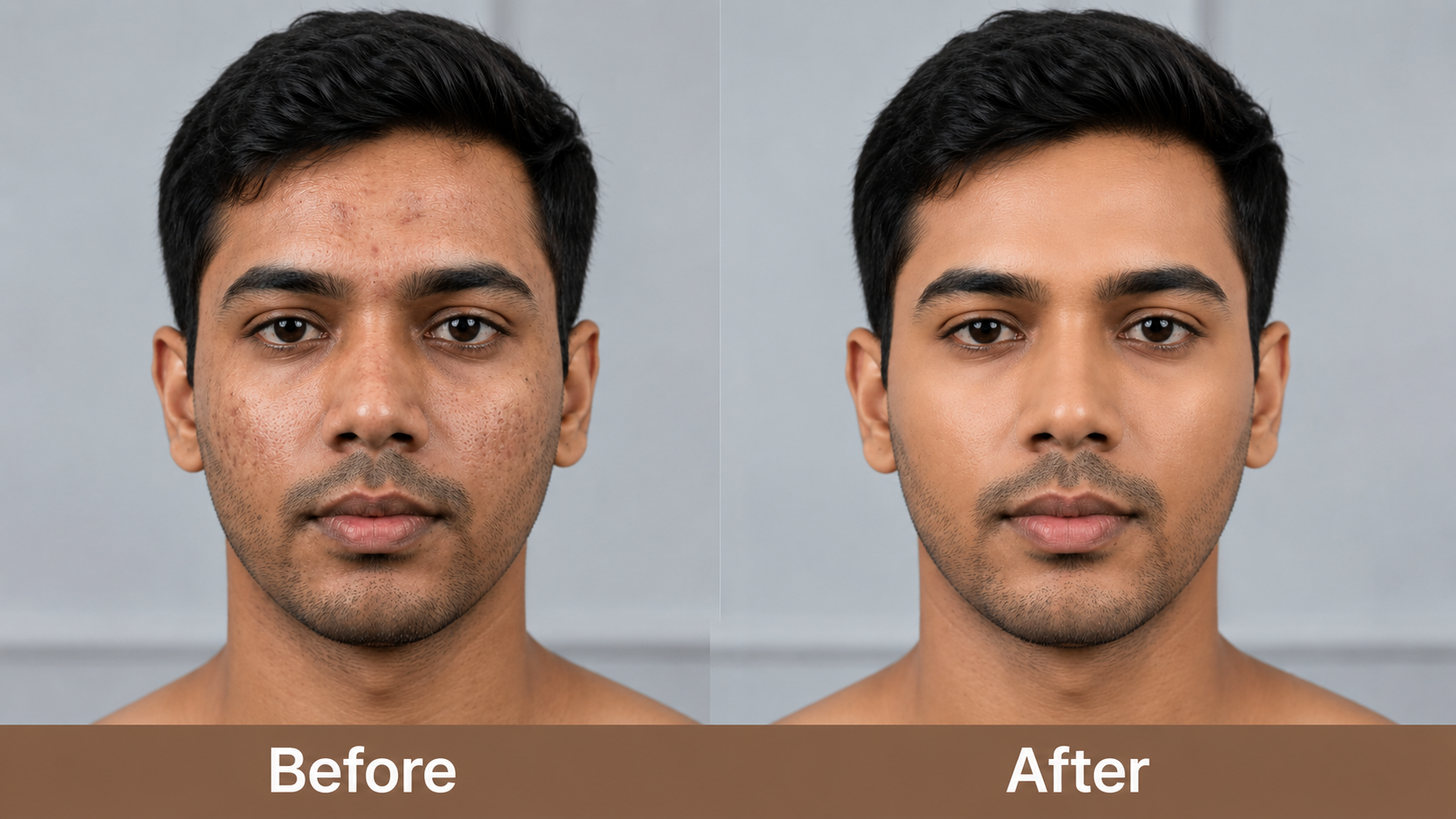
A Q-switched laser uses very short, high-energy pulses to shatter excess pigment into tiny particles so the body can clear them more easily. It is used when the main issue is color rather than texture, which is why dermatologists choose it for targeted pigmentation work instead of broad resurfacing.
Best For: Melasma, freckles, sunspots, tattoo removal, tan, and post-acne pigmentation.
Average Cost: About ₹3,500–₹8,500 per session in Chennai.
2. Carbon Peel Laser
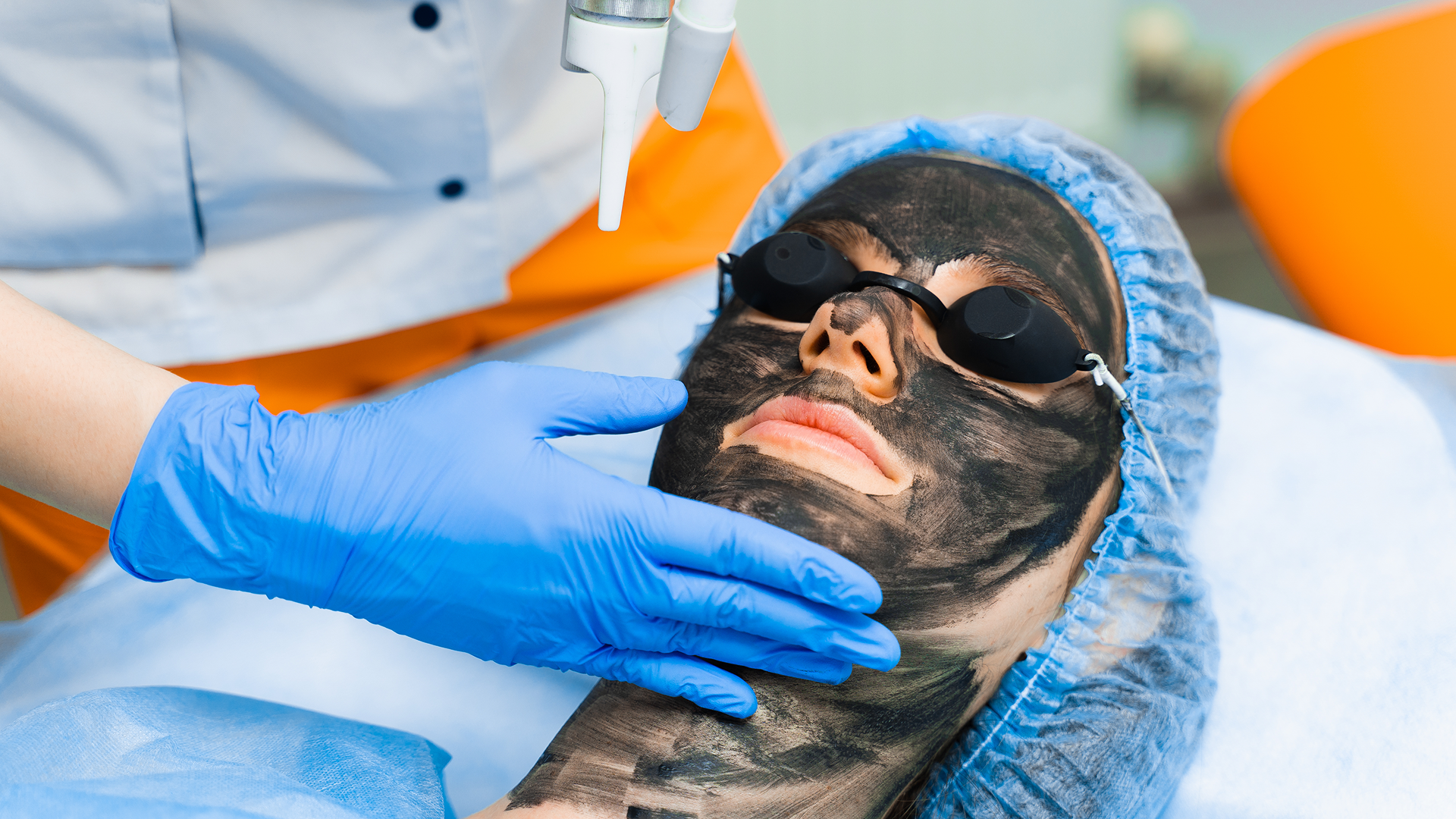
A carbon peel is a superficial laser facial where a carbon layer is applied first and then activated with laser energy. The process helps exfoliate the surface, clear plugged pores, and improve oiliness, so it is more of a skin-refining treatment than a deep corrective one.
Best For: Oily skin, enlarged pores, acne, mild acne marks, dullness, and minor photoaging.
Average Cost: Usually ₹3,000–₹8,000 per session in Chennai.
3. Fractional CO2 Laser
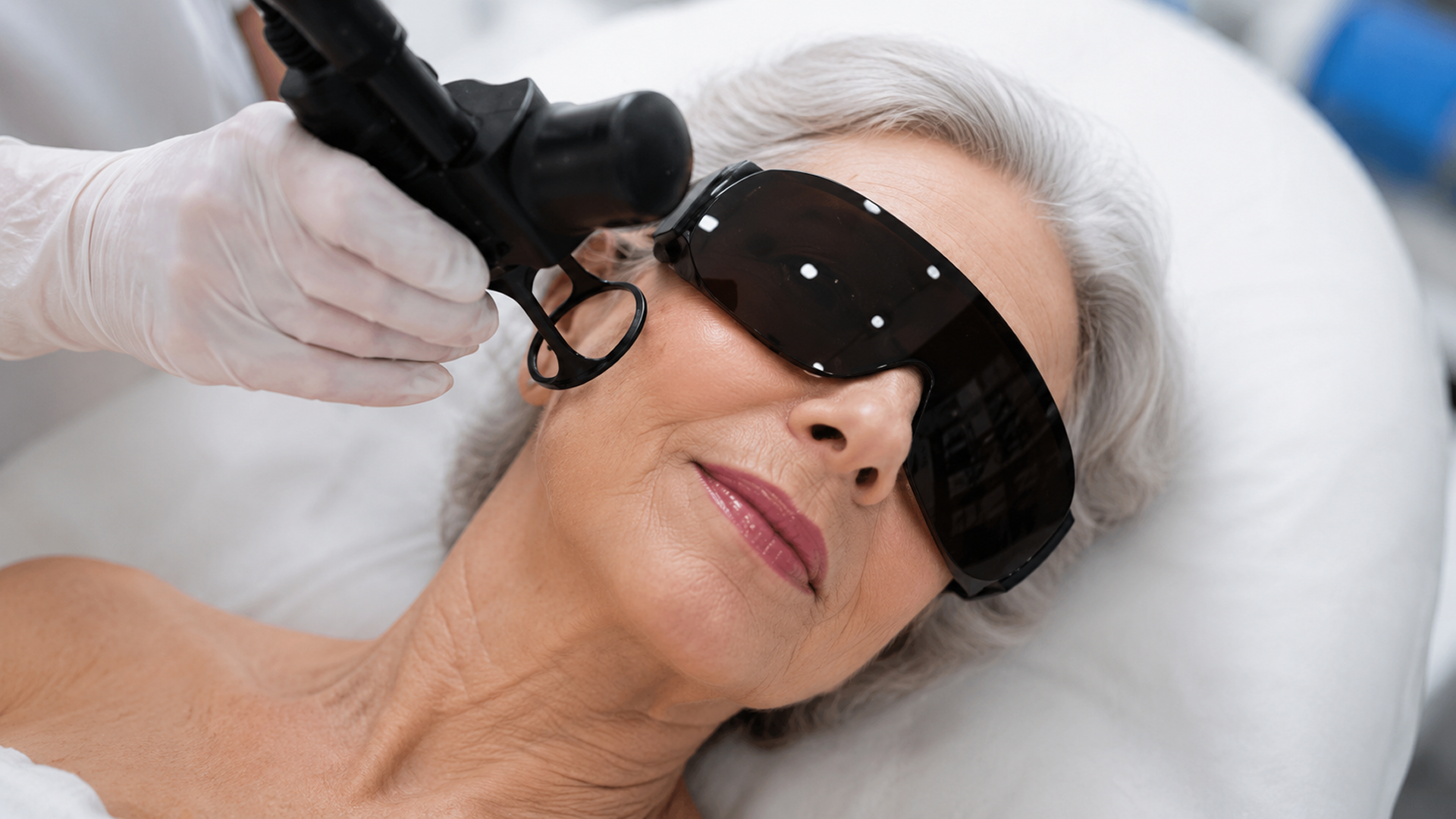
Fractional CO2 is an ablative resurfacing laser that treats microscopic columns of skin while leaving the surrounding tissue intact. That controlled injury triggers healing and collagen renewal, which is why it is used for texture and scar correction rather than simple glow enhancement.
Best For: Acne scars, wrinkles, sun damage, uneven skin texture, and resurfacing concerns.
Average Cost: Roughly ₹3,500–₹15,000 per session in Chennai, depending on depth and treatment area.
4. Nd:YAG Laser
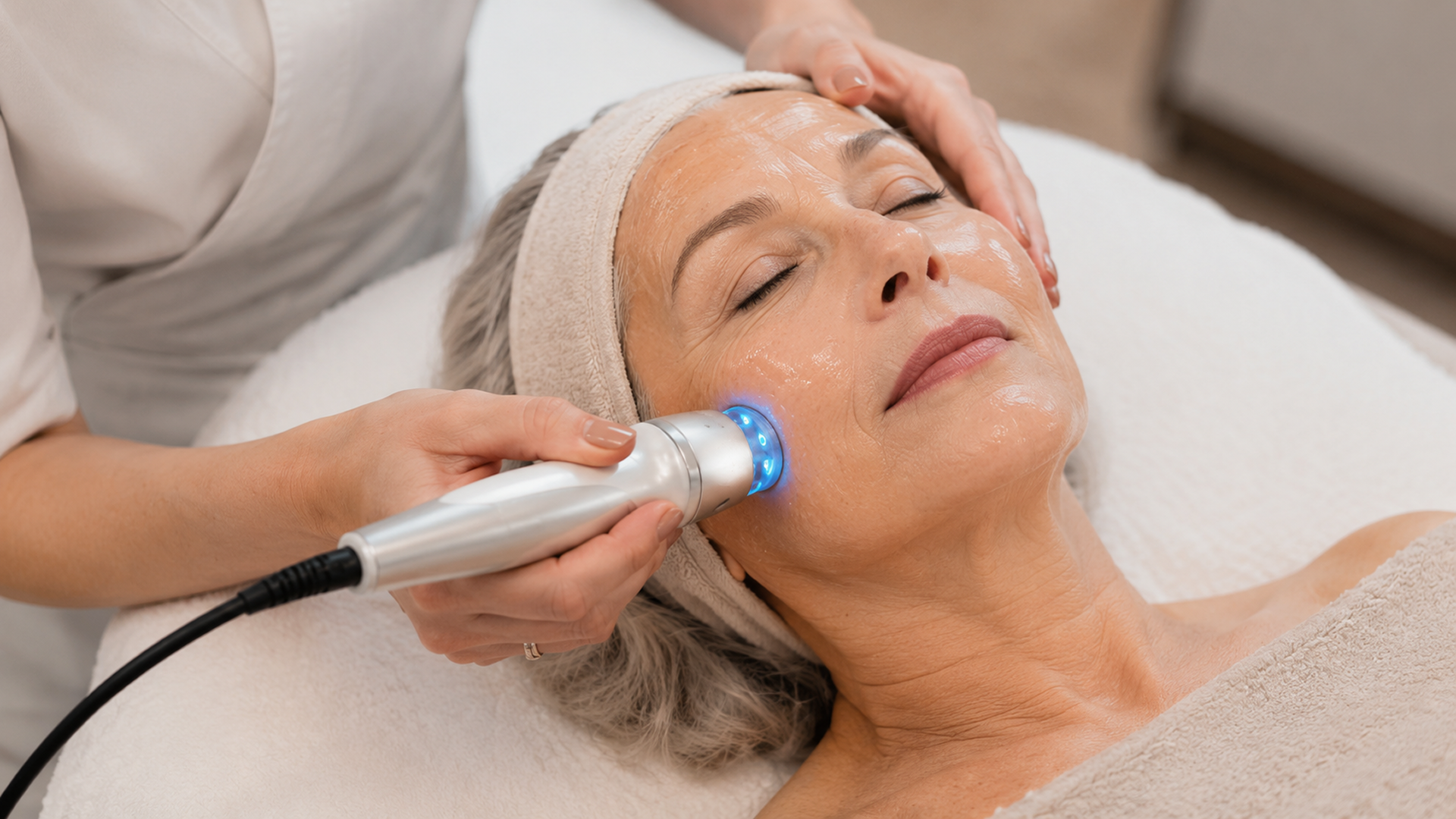
Nd:YAG uses a longer 1064-nm wavelength, which penetrates deeper and is generally safer for darker skin tones because it is less readily absorbed by surface melanin. That makes it especially useful when the goal is to treat deeper targets without overheating the epidermis.
Best For: Laser hair reduction in skin of color, deeper pigmentation, vascular lesions, and tattoo removal.
Average Cost: In Chennai, laser hair removal sessions typically range from ₹2,500–₹26,000 per session, and full-body sessions can go up to ₹25,000–₹40,000.
5. IPL (Intense Pulsed Light)
.png)
IPL is a non-invasive light-based treatment that uses multiple wavelengths of broad-spectrum light instead of a single laser beam. Because it targets both pigment and blood vessels, dermatologists use it to improve overall skin tone, redness, and sun damage across larger areas of skin. IPL is often called a “photofacial,” but it is technically not a laser treatment.
Best For: Sun damage, redness, rosacea, freckles, mild pigmentation, enlarged pores, uneven skin tone, and early signs of photoaging. Some clinics also use IPL for hair reduction, although true medical lasers are usually preferred for Indian skin tones.
Average Cost: IPL treatment in Chennai usually ranges from ₹1,500–₹6,000 per session, with the average cost commonly falling around ₹4,500 per session depending on the clinic, treatment area, and technology used.
6. Pico Laser (Picosecond Laser)
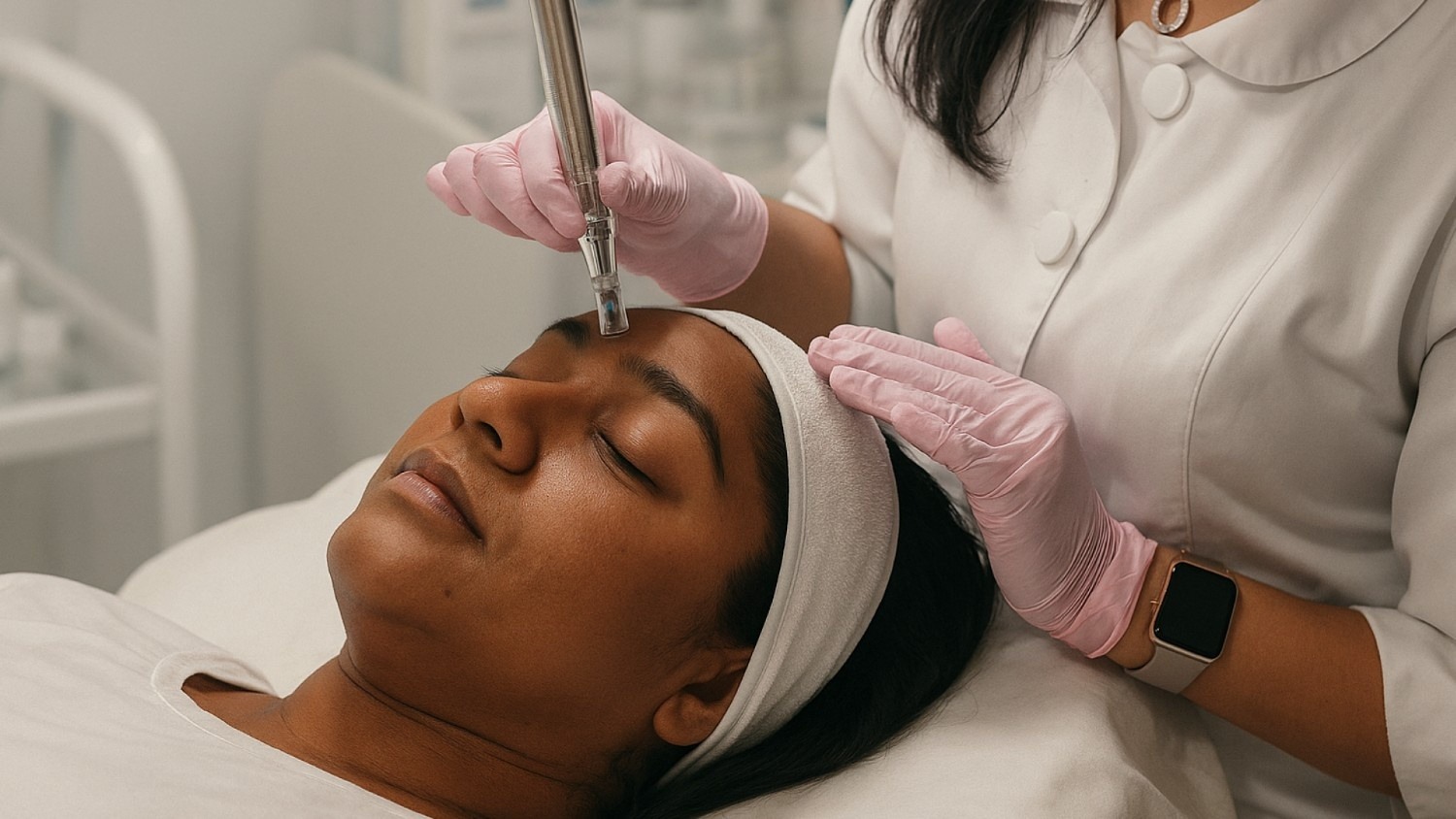
Pico laser is an advanced pigment-targeting laser that delivers energy in ultra-short picosecond pulses, which are faster than traditional Q-switched lasers. Instead of relying mainly on heat, it uses a photoacoustic effect to break pigment into much smaller particles, reducing surrounding thermal damage.
Due to this precision, Pico lasers are increasingly used for stubborn pigmentation and melanin-rich skin tones.
Best For: Stubborn pigmentation, melasma, acne marks, uneven skin tone, tattoo removal, enlarged pores, and mild acne scars. Many dermatologists also use Pico toning for overall skin brightening and texture refinement with lower downtime compared to more aggressive resurfacing lasers.
Average Cost: Pico laser treatment in Chennai usually ranges between ₹8,000–₹25,000 per session, depending on the concern being treated, the machine used, and the treatment area.
Also Read: Melasma: Causes, Symptoms, and Treatment
That is the detailed view. If you just want a quick comparison of treatments and pricing, here is a simplified cost table at a glance.
Please note: These are average Chennai price ranges for 2026 and can vary depending on the clinic, the dermatologist’s expertise, the size of the treatment area, the technology used, and the number of sessions your skin requires.
If you are comparing treatments, it helps to start with a skin assessment rather than a price list. Velantis Dermatology uses FDA-approved laser technology and builds the plan around your concern, not the other way around.
Choosing the right laser matters, but the machine alone does not decide how good your final results will be.
What Affects Your Results More Than the Laser Itself?
Many people assume better machines automatically mean better skin. In reality, laser outcomes often depend more on diagnosis, settings, and aftercare than the brand of laser being used. This matters even more for Indian skin, where excess heat or incorrect energy settings can trigger post-inflammatory hyperpigmentation (PIH).
Here are the factors that often influence your laser results more than the machine itself:
- Correct diagnosis matters first. Melasma, tanning, and acne pigmentation may look similar but respond very differently to lasers. Treating the wrong condition aggressively can worsen discoloration instead of clearing it.
- Laser settings are critical on Indian skin. Wavelength, pulse duration, and fluence determine how much heat reaches the skin. Longer wavelengths like 1064-nm Nd:YAG are generally considered safer for melanin-rich skin because they reduce surface pigment injury.
- More power does not mean better results. Overly aggressive settings increase the risk of burns, rebound pigmentation, and prolonged healing, especially with resurfacing lasers.
- Aftercare directly affects recovery. Strict sunscreen use, avoiding heat exposure, and following post-laser skincare instructions are essential because inflammation after treatment can itself trigger pigmentation.
- Most concerns need multiple sessions. Pigmentation and acne scars usually improve gradually over several treatments rather than after a single session.
- Experience matters more than marketing. Studies repeatedly emphasize that selecting the correct laser and settings is vital for reducing complications in skin of color.
Before booking any laser procedure, it is equally important to understand the recovery process and possible side effects.
Also Read: Hyperpigmentation: Types, Causes, and Effective Treatments
Risks, Side Effects, and Recovery
Laser treatments work by creating controlled heat in the skin, which means some degree of redness, sensitivity, or peeling is expected during recovery. The exact downtime and side effects depend on the laser type, skin tone, treatment depth, and how aggressively the procedure is performed.
Here is a quick look at the common side effects, recovery time, and downtime you can generally expect from different laser treatments.
Important: Severe burns, blistering, scarring, or worsening pigmentation are uncommon but possible, especially when lasers are performed without proper skin assessment or post-treatment care.
Also Read: Skin Whitening Treatment Cost in Chennai: A Complete Guide
The treatment matters, but so does the person and clinic performing it.
How to Choose a Laser Clinic in Chennai
A beautiful clinic does not automatically mean safe laser treatment. In Chennai, many centers advertise the same buzzwords: “advanced lasers,” “skin brightening", but the real difference usually comes down to diagnosis, experience with Indian skin, and whether the treatment is customized or standardized.
Here are the things that actually matter before booking:
- Choose a qualified dermatologist, not just a cosmetic center. Look for an MD Dermatologist or DNB Dermatology specialist like Dr. Janani Sree C M, especially for pigmentation and resurfacing lasers.
- Ask if they regularly treat Indian skin tones. Ask whether the clinic performs patch tests before stronger laser procedures, particularly for melasma or deeper pigmentation concerns.
- Do not skip the consultation. A proper clinic should examine your skin, discuss downtime, explain risks, and sometimes even recommend against lasers if they are not the best option.
- Patch testing is a good sign. Many experienced clinics perform patch tests before stronger lasers, especially for darker skin tones or sensitive conditions like melasma.
- Be careful with unrealistic promises. “Permanent glow,” “one-session cure,” or guaranteed scar removal are usually marketing claims, not medical ones. Most laser treatments need multiple sessions and maintenance.
- Look at the treatment plan, not just the machine. Good dermatologists often combine lasers with skincare, medication, peels, or microneedling instead of relying on one device for every concern.
This is where treatment planning, technology, and dermatologist-led care start making a visible difference.
Also Read: Best Chemical Peels for Pigmentation Treatment
What Laser Treatment Looks Like at Velantis Dermatology
Effective laser treatment starts long before the machine touches the skin. The first step is understanding why the concern exists in the first place, because pigmentation, acne scars, redness, and dullness may look similar on the surface but respond very differently to treatment. That diagnostic-first approach is what shapes laser care at Velantis Dermatology.
Some of the clinic’s key treatment features include:
- AI-Based Skin Analysis: The clinic uses AI-assisted skin analysis to evaluate pigmentation depth, pores, hydration, texture irregularities, UV damage, and underlying skin concerns that may not be visible during a routine consultation. This helps create a more personalized treatment plan.
- FDA-Approved Laser Technology: Velantis uses internationally certified FDA-approved laser and energy-based devices designed for controlled treatment delivery and reduced downtime.
- Customized Treatment Planning: Instead of recommending the same laser for every concern, treatments are selected based on skin tone, pigmentation type, scar depth, sensitivity, and recovery tolerance, which is especially important for Indian skin.
- Dermatologist-Led Care: Treatments are supervised by Dr. Janani Sree C M, with emphasis on long-term skin health and barrier safety rather than overly aggressive resurfacing.
- Multiple Advanced Treatment Options: The clinic offers Pico Laser, Fractional CO2 Laser, IPL Photofacial, Laser Hair Reduction, HIFU, and MNRF depending on the concern being treated.
- Focus on Natural-Looking Results: Treatment protocols prioritize gradual improvement and barrier preservation over aggressive resurfacing.
At the end of the day, successful laser treatment is less about trends and more about choosing the right approach for your skin.
Conclusion
The right laser treatment should not leave you guessing whether you paid for a solution or a new skin problem. If there is one thing to take away from this guide, it is this: the best laser is not the newest machine or the most expensive session. It is the treatment that is correctly matched to your skin type, concern, and long-term skin health.
That is especially important for Indian skin, where aggressive settings and poor treatment planning can sometimes create more pigmentation than they remove. A proper consultation, careful diagnosis, and realistic treatment plan matter far more than flashy marketing or “instant glow” promises.
At Velantis Dermatology, laser treatments are planned with that philosophy in mind. From AI-assisted skin analysis and FDA-approved technologies to dermatologist-led treatment planning by Dr. Janani Sree C M, the focus stays on safe, customized care designed for real Indian skin concerns, not one-size-fits-all packages.
Book a consultation to understand which laser treatment is actually right for your skin, your concern, and your long-term results.
FAQs
1. What is the average skin laser treatment cost in Chennai?
The average skin laser treatment cost in Chennai can range anywhere from ₹1,500 to ₹40,000 per session, depending on the laser type, treatment area, skin concern, and clinic expertise. Simpler procedures such as carbon peels or IPL generally cost less, while resurfacing lasers, Pico lasers, or full-body laser procedures tend to cost more.
2. Why do laser treatment prices vary so much between clinics?
Pricing changes because not all laser treatments are the same. The machine used, dermatologist expertise, number of sessions required, treatment depth, clinic location, and whether the laser is customised for Indian skin tones all influence cost.
3. Which laser treatment is best for pigmentation?
There is no one-size-fits-all answer because pigmentation can mean tanning, melasma, acne marks, or sunspots. Dermatologists commonly recommend Q-switched lasers, Pico lasers, or Nd:YAG laser toning depending on the type and depth of pigmentation.
4. Is laser treatment safe for Indian skin?
Yes, when performed correctly. Indian skin contains more melanin, which means improper settings can sometimes trigger burns or post-inflammatory hyperpigmentation (PIH). Choosing an experienced dermatologist and the right wavelength matters.
5. How many sessions of laser treatment are usually needed?
Most concerns require multiple sessions, not one appointment. Mild pigmentation may improve in 2–4 sessions, while acne scars, resurfacing, or laser hair reduction often require several treatments spaced weeks apart.
6. Does laser treatment hurt?
Most laser procedures feel like a mild snapping or warming sensation on the skin. Stronger resurfacing treatments like Fractional CO2 may cause more discomfort, which is why numbing creams or cooling systems are often used.
7. How long does it take to recover after laser treatment?
Recovery depends on the laser. Carbon peels may involve little to no downtime, while Fractional CO2 resurfacing can require 5–14 days of healing with redness and peeling.
8. Can laser treatment permanently remove pigmentation?
Not always. Some pigmentation improves significantly, but concerns like melasma can return due to hormones, sun exposure, or heat triggers. Maintenance skincare and sunscreen are often important for long-term results.
9. What should I avoid after laser treatment?
Doctors usually advise avoiding direct sun exposure, hot steam, harsh exfoliants, active ingredients like retinoids or acids, and excessive sweating immediately after treatment. Sunscreen becomes especially important during recovery.
10. How do I know which laser treatment is right for me?
The right laser depends on your skin concern, skin tone, downtime tolerance, and medical history. A dermatologist consultation is usually the safest way to decide because treatments that look similar on the surface may need completely different approaches.

.png)
.jpg)
.jpg)