.jpeg)
Living with acne scars, uneven texture, visible pores, or early skin laxity can feel frustrating, especially when topical products no longer deliver noticeable change. If you are looking for a medically sound option that goes beyond surface-level care, in-clinic treatments often become part of the conversation.
This is where advanced procedures, performed under proper dermatological supervision, start to matter.
When researching options, cost clarity and realistic outcomes become just as important as the treatment itself. Understanding the MNRF treatment cost in Chennai, along with what the procedure actually does for your skin, helps you make informed decisions rather than chasing short-term fixes.
Key Takeaways
- MNRF (Microneedling Radiofrequency) targets acne scars, enlarged pores, uneven texture, and early skin laxity by stimulating collagen in deeper skin layers.
- In Chennai, MNRF treatment cost typically ranges from ₹4,500 to ₹20,000 per session, depending on the area treated and clinical planning.
- Multiple sessions are usually advised, spaced several weeks apart, to allow gradual collagen remodelling and visible improvement.
- Results develop over time and depend on skin condition, treatment depth, and adherence to aftercare guidance.
- At Velantis Dermatology, MNRF treatment is planned and performed by Dr. Janani Sree C M, ensuring a dermatologist-led, evidence-based approach.
What Is MNRF Treatment (Microneedling Radiofrequency)?
MNRF, or Microneedling Radiofrequency, is a medical dermatology procedure that combines controlled microneedling with radiofrequency energy to improve skin structure and quality.
The microneedles create precise micro-injuries in the skin, while radiofrequency energy is delivered into deeper layers to stimulate collagen production.
This dual approach helps address concerns such as acne scars, uneven texture, enlarged pores, and early skin laxity in a gradual, clinically guided manner.
What Skin Conditions Does MNRF Treat?
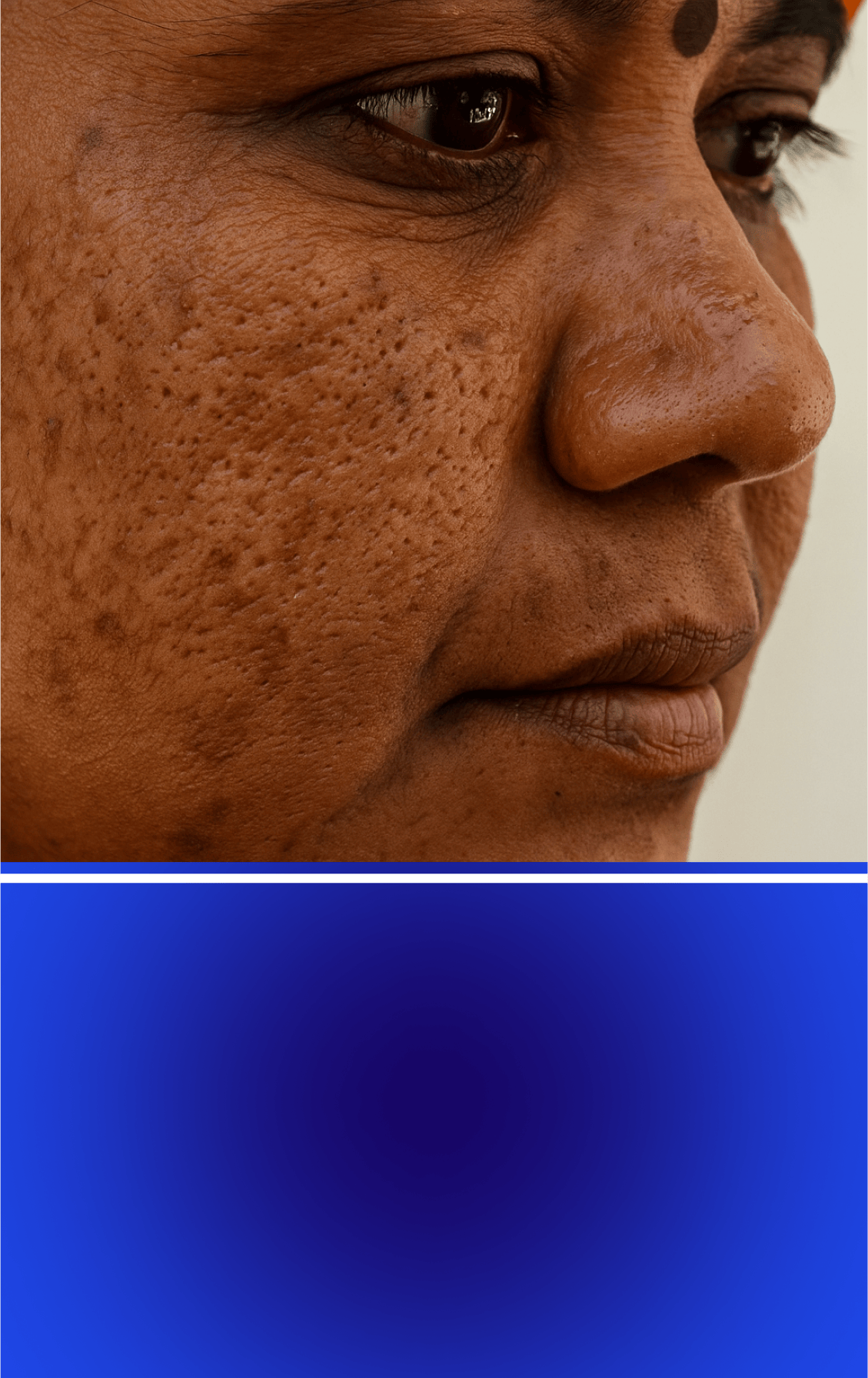
- Acne scars: Softens and improves the appearance of atrophic scars.
- Uneven skin texture: Helps smooth out rough or bumpy skin.
- Enlarged pores: Tightens skin, reducing the visibility of pores.
- Mild to moderate skin laxity: Reduces sagging and firms the skin.
- Post-acne skin changes: Addresses residual pigmentation or texture after active acne.
With a clear understanding of the skin conditions MNRF can address, let’s explore the specific benefits of MNRF treatment for skin and how it contributes to long-term skin health.
Benefits of MNRF Treatment for Skin
MNRF treatment focuses on improving skin quality by stimulating the body's natural collagen production. The results develop gradually, leading to visible changes in texture and firmness over time. When planned correctly, it supports long-term skin health rather than short-term cosmetic improvement.
Key benefits of MNRF treatment include:
- Improves acne scars: Helps soften the appearance of atrophic acne scars by promoting collagen remodeling in deeper skin layers.
- Refines skin texture: Smoothens uneven skin surface caused by scarring, enlarged pores, or rough texture.
- Reduces pore visibility: Tightens surrounding skin tissue, making pores appear smaller and more refined.
- Improves skin firmness: Supports collagen tightening and renewal, improving mild to moderate skin laxity.
- Suitable for Indian skin types: When performed with proper depth control, it is considered safe across a wide range of skin tones.
Now that you know the benefits, let’s look into how exactly MNRF treatment works on the skin to deliver these transformative results.
Also Read: Low-Level Laser Therapy for Skin & Hair Health: A Comprehensive Guide
How MNRF Treatment Works on the Skin?
MNRF works by creating controlled micro-injuries in the skin while delivering radiofrequency energy into the deeper dermal layers. This process activates the body's natural repair response, leading to gradual collagen and elastin formation.
1. Pre-Treatment
Before starting the MNRF treatment, your dermatologist will conduct a thorough skin assessment to determine the best approach based on your unique skin concerns.
This includes:
- Evaluating the depth of acne scars,
- skin texture,
- pore size, and
- any early signs of skin laxity.
2. How This Treatment Is Performed
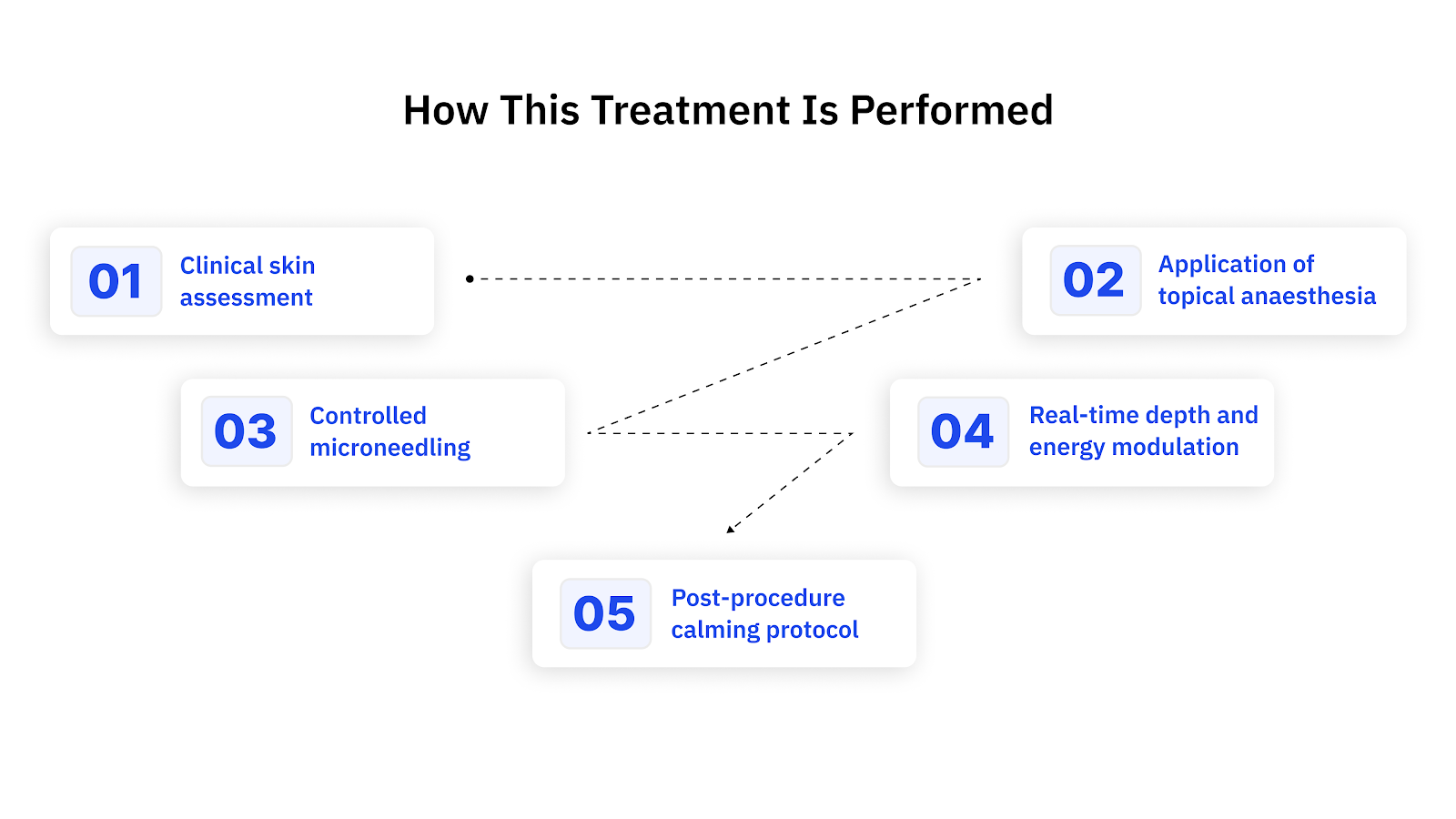
MNRF treatment combines microneedling and radiofrequency energy to treat deep skin layers. The process involves several key steps:
- Clinical skin assessment and mapping: Treatment depth and energy are customised based on your unique skin condition.
- Application of topical anaesthesia: A numbing cream is applied 30–45 minutes prior to the procedure to ensure comfort during the session.
- Controlled microneedling with RF delivery: Fine needles are used to create micro-channels while delivering radiofrequency energy at controlled depths, personalized to different facial zones.
- Real-time depth and energy modulation: Sensitive areas receive lower intensity, while thicker areas of skin are treated with higher energy.
- Post-procedure calming protocol: Soothing agents are applied immediately to reduce redness and support healing.
Understanding the procedure and what to expect makes it easier to plan for the next steps in your recovery.
3. Recovery Time and Aftercare
Recovery after MNRF treatment is usually predictable when the procedure is performed with appropriate depth and energy control. The skin response varies based on treatment intensity and individual healing capacity.
After MNRF treatment, you can expect:
- Immediate skin response: Mild redness and warmth typically last 24–48 hours, depending on treatment depth.
- Transient skin sensitivity: Slight tightness or roughness may be felt for a few days as microchannels close.
- Controlled downtime: Most individuals resume routine activities within 1–2 days, avoiding strenuous exercise initially.
- Targeted skincare protocol: Use only dermatologist-recommended cleansers, moisturisers, and sun protection during recovery.
- Strict sun avoidance: Direct sun exposure should be avoided for at least one week to reduce post-inflammatory pigmentation risk.
Understanding recovery helps set realistic expectations for improvement and prepares you for the treatment schedule needed to achieve results.
4. How Many MNRF Sessions Are Needed for Results
MNRF results develop gradually as collagen remodeling occurs beneath the skin surface. The number of sessions required depends on the depth of concern and how the skin responds to treatment. A dermatologist determines the session plan after assessing scar severity and skin thickness.
MNRF treatment planning typically involves:
- Mild texture or pore concerns: 1-2 sessions spaced 4-6 weeks apart.
- Moderate acne scarring: 3-4 sessions with adequate intervals for collagen regeneration.
- Skin laxity concerns: Multiple sessions planned with progressive depth adjustments.
- Response-based scheduling: Treatment intervals may be extended based on healing and visible improvement.
- Maintenance planning: Occasional follow-up sessions may be advised to support long-term skin quality.
Now that you understand the treatment process and what to expect, let's take a closer look at the MNRF treatment cost in Chennai.
MNRF Treatment Cost in Chennai
The cost of MNRF treatment in Chennai depends on how extensively the skin needs correction and the depth at which treatment is planned. Since MNRF is a medical procedure, pricing reflects clinical assessment, equipment used, and the expertise involved.
The table below provides a patient-facing cost range commonly seen in dermatologist-led clinics in Chennai:
Note: The MNRF treatment cost may vary based on factors such as the severity of the skin concern, number of sessions advised, treatment depth, technology used, and the dermatologist’s clinical assessment.
Understanding the cost is only one part of the decision-making process. Knowing what influences this pricing helps set realistic expectations and choose the right treatment plan for your skin.
Factors That Decide Your MNRF Treatment Cost
MNRF treatment costs are not fixed because every skin concern requires a personalised approach. The depth of treatment, area involved, and clinical planning all influence pricing. A proper dermatological assessment ensures the treatment is both safe and effective.
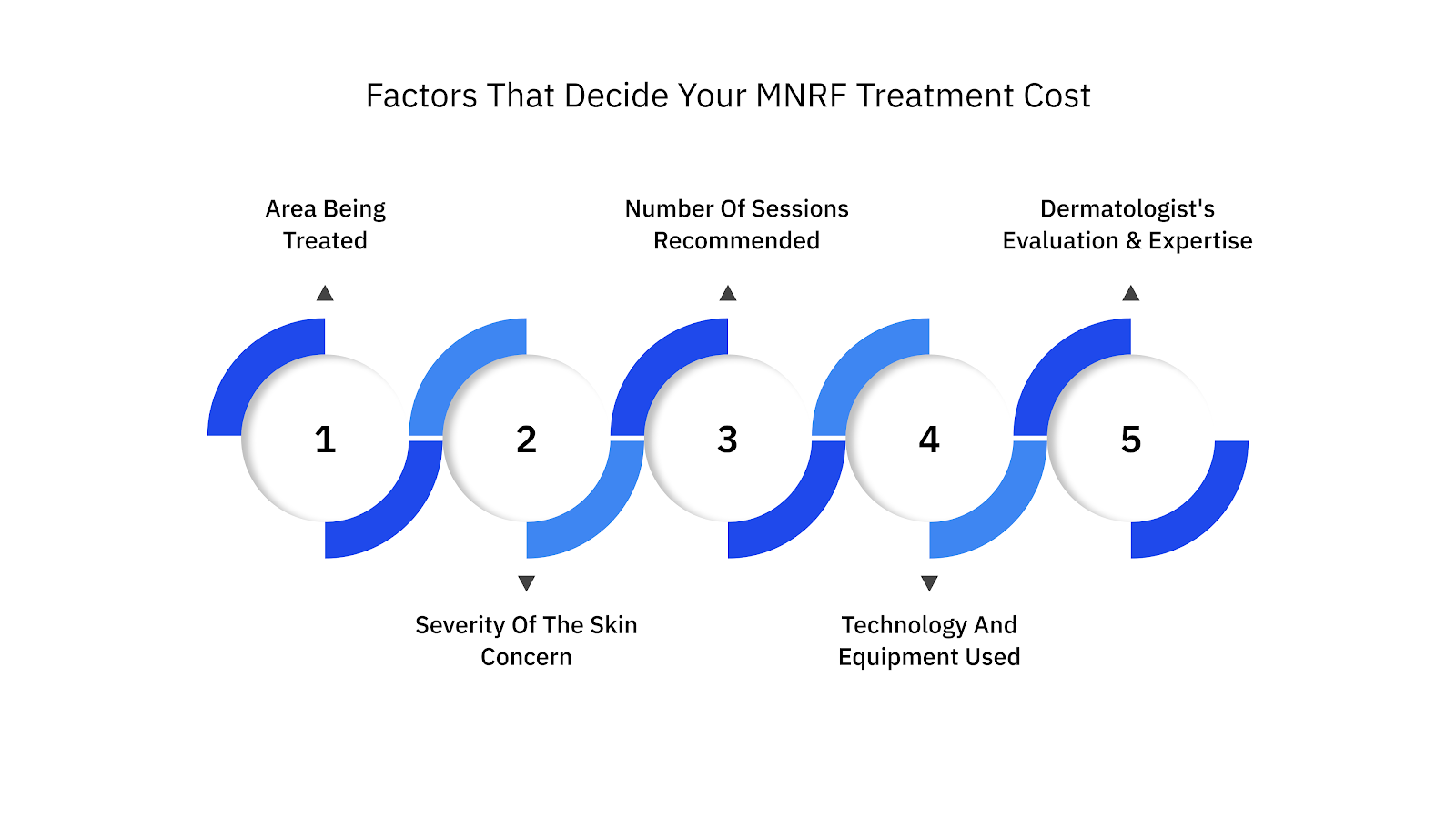
Key factors that affect MNRF treatment cost include:
- Area being treated: Full-face or combined face and neck treatments require more time and energy delivery than smaller, focused areas.
- Severity of the skin concern: Deeper acne scars or advanced texture issues often need higher intensity settings or multiple passes.
- Number of sessions recommended: Treatment plans may involve multiple sessions spaced over weeks for gradual collagen remodelling.
- Technology and equipment used: Medical-grade MNRF devices with precise depth and energy control impact treatment consistency and cost.
- Dermatologist's evaluation and expertise: Accurate assessment and customised planning by an MD dermatologist are essential for safe outcomes.
Understanding the factors that influence MNRF treatment cost is essential, but equally important is ensuring that the procedure is performed with the right expertise.
Let's now explore why dermatologist-led MNRF treatment matters for safe, effective results.
Also Read: Expert Tips from a Skin Care Dermatologist: Your Guide to Healthy, Radiant Skin
Why Dermatologist-Led MNRF Treatment Matters

At Velantis Dermatology, every procedure is planned and performed under the supervision of Dr. Janani Sree C M, a board-certified dermatologist with a Fellowship in Dermatosurgery, Lasers & Aesthetics. Her approach focuses on clinical precision, ethical treatment planning, and long-term skin health rather than cosmetic shortcuts.
This ensures each treatment is tailored to skin biology, concern severity, and safety.
Why choose Velantis for MNRF treatment:
- Medical-grade MNRF technology: Combines microneedling with radiofrequency energy to stimulate collagen and improve skin structure.
- Controlled treatment approach: Precise depth and energy settings address skin texture, open pores, and early sagging safely.
- Acne scar reduction: Targets deeper scar tissue to support gradual collagen remodelling.
- Pore tightening: Improves skin firmness around enlarged pores caused by collagen loss.
- Fine lines and early ageing prevention: Supports collagen renewal to slow early structural ageing.
- Skin firming and rejuvenation: Enhances overall skin quality with staged, dermatologist-guided sessions.
Advanced laser and energy-based treatments available at Velantis include:
- HIFU skin tightening: Uses focused ultrasound energy to stimulate deep collagen, supporting non-surgical face lift, jawline contouring, and double chin reduction.
- Pico Laser treatments: Ultra-fast light pulses target pigmentation, rejuvenate skin, and treat conditions such as carbon laser peel indications and nevus management with minimal downtime.
This comprehensive, dermatologist-led approach allows treatment plans to be customised accurately, ensuring safety, consistency, and realistic outcomes across different skin concerns.
Wrapping Up
MNRF treatment offers a structured, medical approach to improving acne scars, skin texture, pore size, and early skin laxity. Understanding how it works, the number of sessions required, and the factors that influence cost helps set realistic expectations.
At Velantis Dermatology, treatments are guided by Dr. Janani Sree C M, a board-certified dermatologist with a Fellowship in Dermatosurgery, Lasers & Aesthetics. The clinic follows an ethical, evidence-based approach, ensuring every procedure is tailored to your skin's condition and long-term health.
Looking for a personalised treatment plan guided by medical expertise? Book a call today to consult with Dr. Janani Sree C M at Velantis Dermatology.
FAQs
1. Is MNRF treatment safe for sensitive skin?
Yes. MNRF can be adjusted for sensitive skin by modifying needle depth and energy levels. A prior skin assessment helps reduce the risk of excessive irritation.
2. Can MNRF be done during active acne?
No. MNRF is usually advised only after active acne is controlled, as treating inflamed skin can increase irritation and delay healing.
3. Does MNRF treatment cause permanent skin thinning?
No. MNRF stimulates collagen production in deeper layers and does not thin the skin when performed correctly.
4. How soon can you return to work after an MNRF session?
Most people resume work within 24–48 hours, depending on redness and skin sensitivity after the procedure.
5. Can MNRF be combined with other skin treatments?
Yes. MNRF is often scheduled alongside other dermatology treatments, but spacing and sequencing are important for safe results.

.png)

.jpg)
.jpg)